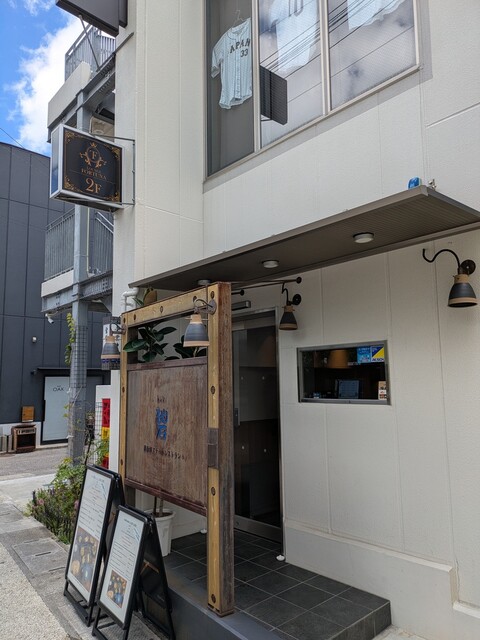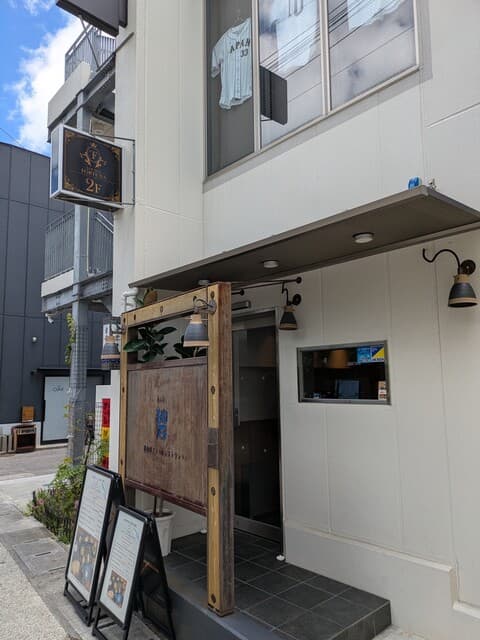
This is a teppanyaki restaurant with multiple locations in Naha. It has now expanded to Tokyo and Osaka as well. The name of the restaurant is “Heki”. Three years ago, I visited the Matsuo branch located along Koganei Street and was extremely satisfied. So, on this day, I went to the Makishi branch. The location is next to the Hilton Regency Hotel.
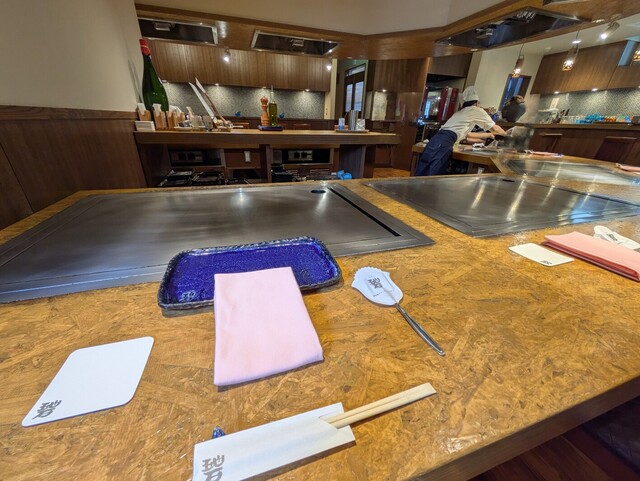
The interior of the restaurant is arranged in a way that surrounds the chefs, with counters placed around them. There also seem to be private rooms further back. Other voices can be heard clearly, and there is frequent cross-communication between people’s eyes and ears. So, if there are noisy or disruptive individuals, they will immediately disrupt the atmosphere. This seems to be a clever idea, as all the staff are women.
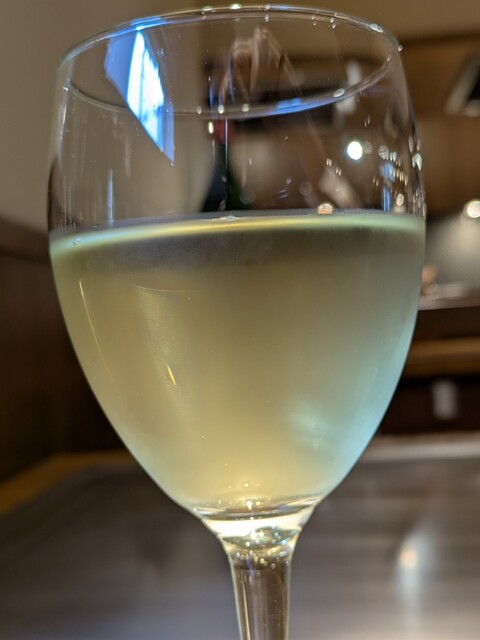
Glass wine is priced at 900 yen, which is a decent price for a restaurant of this kind. When I visited there before, the red wine was served chilled to perfection. So, this time, taking that experience into consideration, I ordered white wine instead.
As a professional restaurant-review translation engine, I will translate the provided text from Japanese to English. Please note that I will maintain the original formatting, including paragraph breaks, inline line breaks, HTML tags, HTML entities, numbers, prices, URLs, placeholders, and punctuation. Additionally, I will only retain proper nouns when necessary, and the narrative text will be translated into natural English. Avoid using Japanese characters in descriptive text; instead, translate or romanize only unavoidable proper nouns. Do not mix Latin letters with Japanese characters within the same word. This is segment 4/15; please translate only this segment while keeping the wording natural.
**Source Text:**
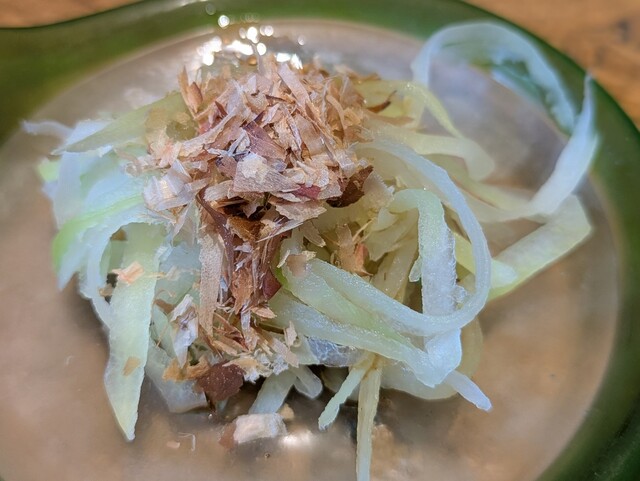
As a first course, there was green papaya oshihito. It had a slightly spicy taste, which stimulated appetite.
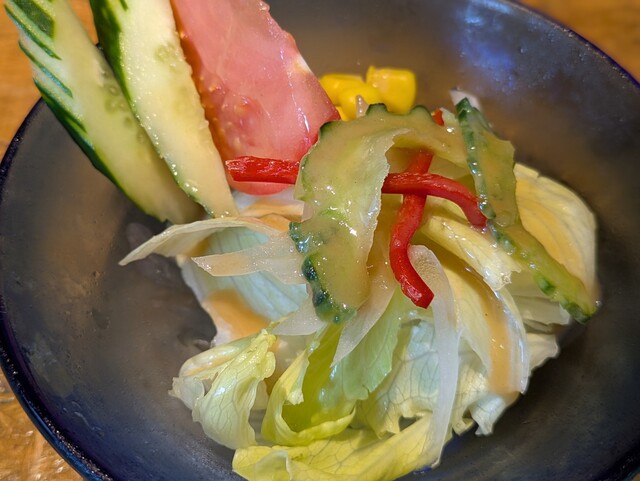
Salad. Well, this is a salad, yes. It's like an extra side dish, something that's added for decoration. The vegetable soup itself has a decent container, but the contents themselves feel like just an extra feature.
We will cook local vegetables, island tofu, and red sweet potatoes on a metal plate. The taste is not bad, but we would prefer a slightly larger portion.
As an additional charge, we requested the addition of carapace shrimp from Kumejima. Of course, it was delicious, but I felt that the additional charge of about 2,000 yen for just two pieces was too much.
The meat portion consists of 90 grams of Australian grass-fed tenderloin steak. It’s generally delicious, but considering that you can get meat of comparable quality or even better at the neighboring "Steak Matsuya" for a much lower price, the cost-effectiveness is extremely poor.
What felt most mysterious was not the rice, but the fact that bread was served instead of rice. In the world of iron plate grilling, carbohydrates have long been associated with garlic rice. But why is it bread? Not even plain white rice is served.
“旬の沖縄野菜炒め”とメニューに書かれていましたが、実際にはゴーヤチャンプルーが出されました。もちろん美味しいですが、ゴーヤチャンプルーをパンと一緒に食べるというのはちょっと違和感があります。
Dessert: Okinawa-style zenza. Generally, "zenza" refers to a hot drink made from boiled soybeans. However, in Okinawa, it is called zenza when it consists of boiled beans topped with crushed ice.
After meals, coffee is served without milk; instead, it comes with commercially available coffee grounds. The fact that they are willing to serve this type of plant-based oil, which has been adjusted in composition, seems to reflect the restaurant's attitude towards dining.
After eating the above dishes and drinking one glass of wine, the total cost exceeded 7,000 yen. Umm, this seems a bit expensive. Considering that three years ago, I chose a steak made from local black beef, the increase in price couldn’t be explained by inflation.
■写真付きのブログはこちら→https://www.takemachelin.com/2025/06/heki.html