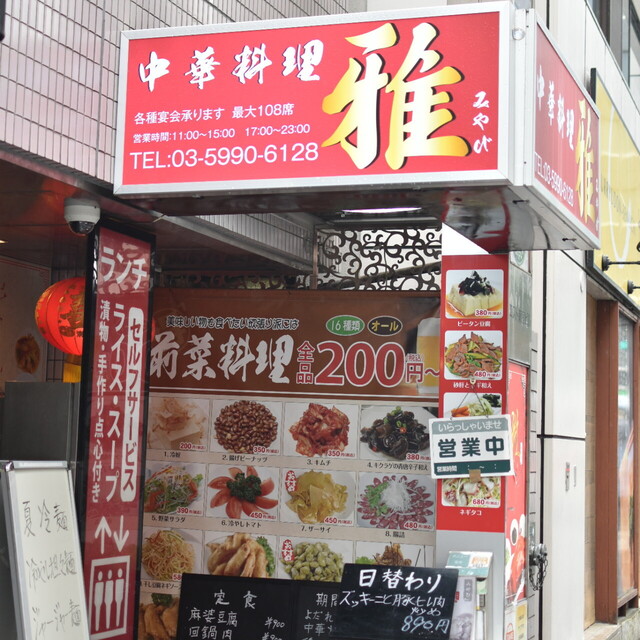
This is a Chinese cuisine restaurant located at the south exit of Shinjuku Station, after crossing the Kōsho Street.
The restaurant is located in an area with many dining establishments, and there is a Chinese restaurant right across from it. It's a highly competitive area.
Previously,Kōki Shinjuku BranchThey opened the restaurant in a place where it had been a residence before.
It is managed by someone who lived in a area in Nishishinjuku where there are Yodobashi cameras.Chinese Cuisine 雅It seems that it has been relocated.
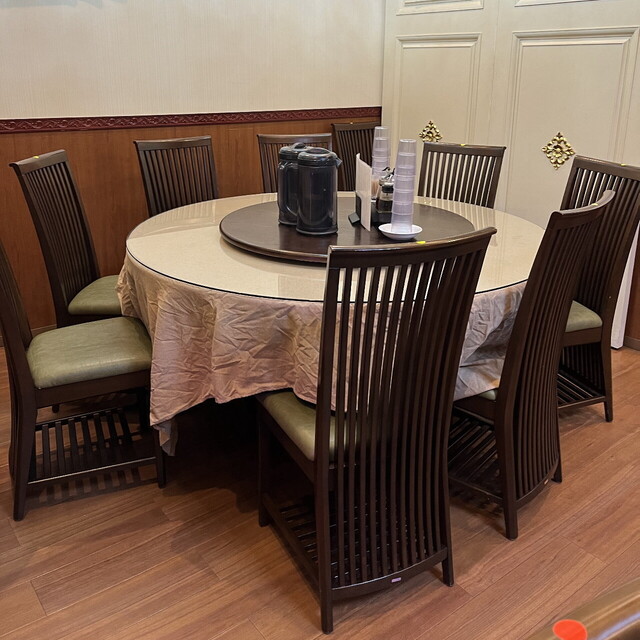
It’s located underground in a building. Upon descending the stairs, you’ll find a store with a sophisticated interior design and plenty of seating options.
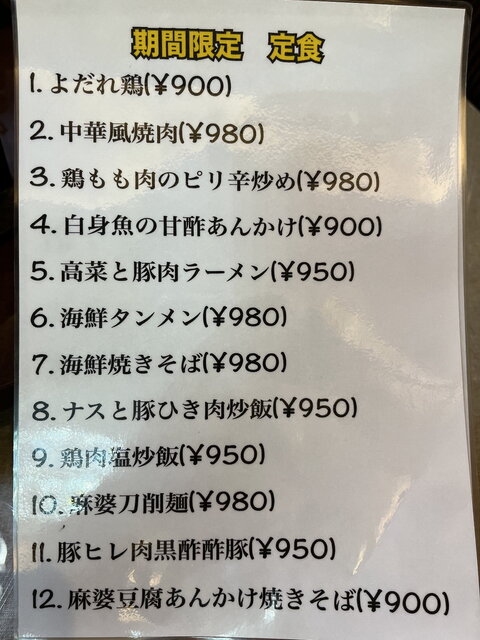
The lunch menu offers a wide variety of choices. Meals for fixed portions and noodle dishes are all priced at less than 1,000 yen.
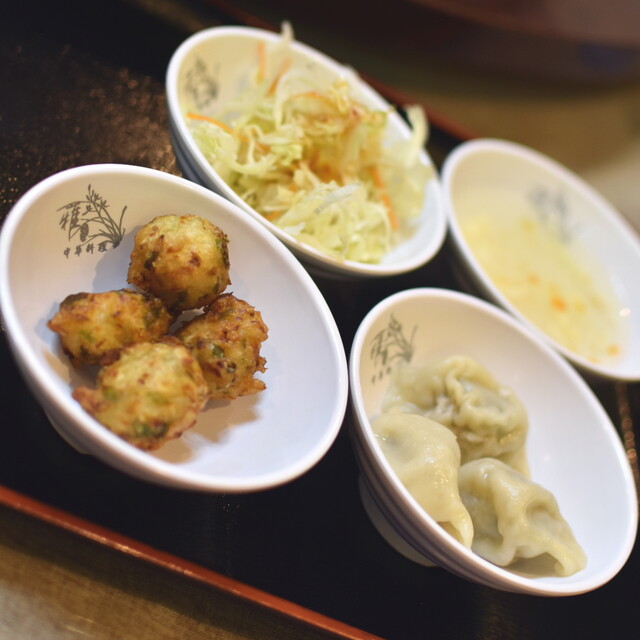
The distinctive feature is that the main dishes are prepared in the kitchen, but rice, soup, salads, and water dumplings are available for self-service.
The information received is,
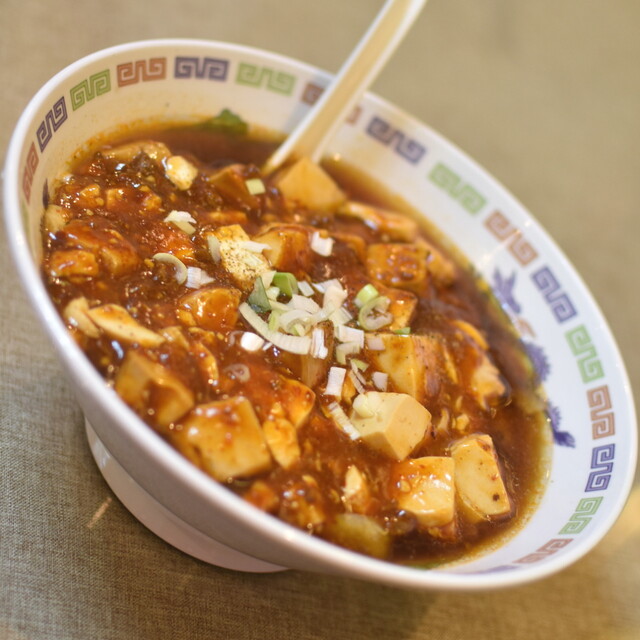
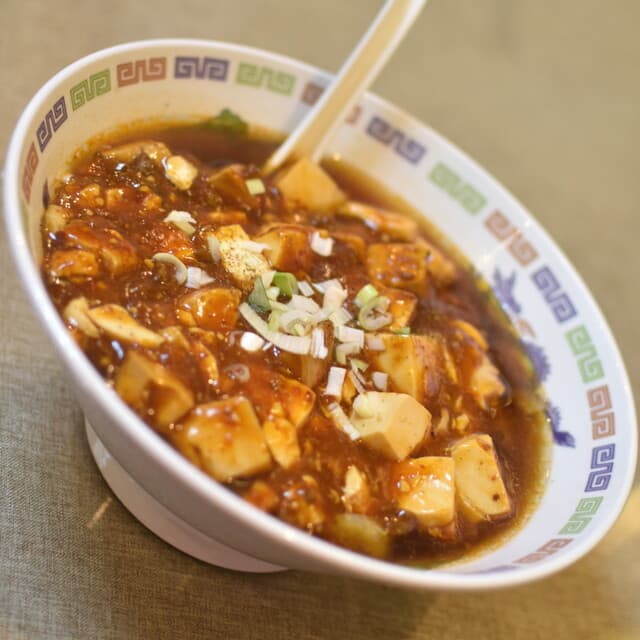
■マポウ・ダオシャオミエン(980円)
The lunch menu offers the highest price range.
The cooking is unusually fast; it's done while you are going to the self-service area to get your order.
The appearance matches exactly what I imagined: it looks like noodles with a sauce, topped with mapo tofu.
After trying it, I found that the Sichuan pepper was quite effective. The taste is delicious, but the effect of the Sichuan pepper is somewhat uneven. Upon closer inspection, it turns out that these are not whole spices; rather, they are coated with powder. As a result, the flavor of the Sichuan pepper doesn't spread evenly throughout the dish.
However, if you put a lot of powder in your mouth, it will taste like Sichuan cuisine.
If you look closely at the tofu, some of them appear to have undergone discoloration. It seems that there is a secret to shortening the cooking time in this case. It is likely that the tofu was prepared in advance, and the tofu that was soaked in the sauce has become discolored as a result.
The noodles are the only item listed on the menu that is dried noodles. Naturally, it's not homemade noodles.
The distinctive, distinctive appearance of these products is worth considering. They don’t have a smooth texture, but they do have a satisfying chew.
Although it may not be very familiar to Japanese people, some Chinese food stores sell dried noodles similar to dashi.
乾麺には乾麺の良さがありますので、これも悪くないでしょう。
The soup also has a hint of the spiciness of mapo tofu, so I can't determine the base flavor of the soup itself.
In terms of taste, it doesn’t seem bad, but there is a noticeable flavor that seems to be derived from chemical seasonings.
This is a self-service menu. The salads are mainly made of shredded cabbage, but the dressing is homemade in the Chinese style. It’s based on soy sauce and has a light sour taste. It also contains sesame seeds. Quite good, isn’t it?
The water jiaozi also appears to be homemade and has a firm texture. However, it is placed in hot water, and no seasoning is added.
As an additional ingredient for the Mapo dashi noodles, it was delicious.
There are also mysterious fried dishes, which resemble a rack of seaweed. The dough is made from wheat flour, and seaweed is mixed into it before frying. Since there is no seasoning on these dishes, they are best eaten with other foods.
The soup is a typical Chinese soup, a slightly light egg-based soup.
Compared to before the relocation, the taste seems mediocre, and the authentic flavor has diminished. However, the self-service buffet is quite popular among the young people in the Nishinishi-Koshien area, so it seems that this format is indeed a good choice for lunch.
There are also a variety of menu items available. I think this is a regular lunch option for those who want to eat heartily.