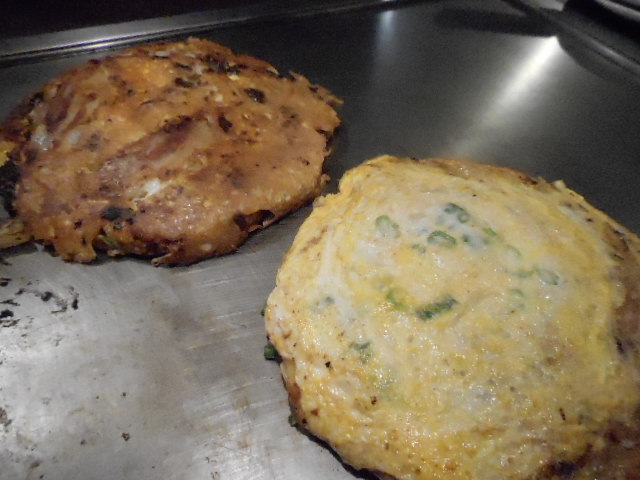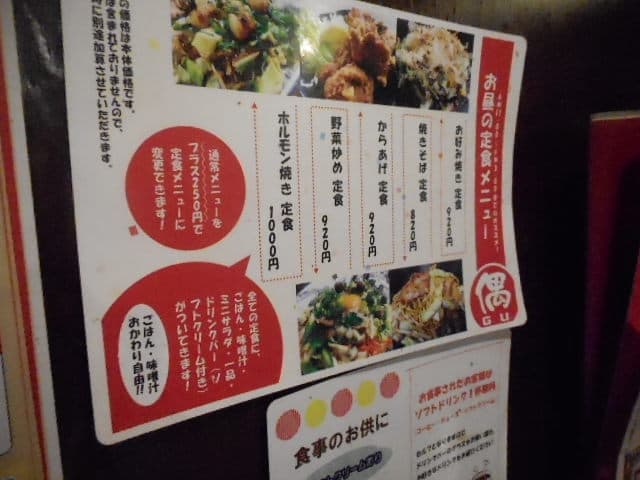
This is from "Kawachi-ya"!
In the aftermath of the Kumamoto earthquake in 2016, we express our heartfelt condolences to all those who were affected. We hope for the government's swift response and effective support.
I express my condolences to those who, unfortunately, have lost their precious lives. I also extend my heartfelt sympathy to the families of the deceased.
“哀悼”という言葉は、葬儀での弔電でよく耳にします。再びその意味を考えてみました。「哀」も「悼」もほぼ同じ意味で、「悲しみ、嘆き」ということです。訓読みすると「悼」は「悼む」となります。では「悼む」とはどういう意味なのでしょうか?それは「死を嘆き悲しむ」という意味です。河内屋が思うに、「悼む」とは、その人のことをいつまでも忘れずに思い続けることではないでしょうか。そうすると、「哀悼」とは、単に言葉で表現するだけではなく、心と行動によって表現されるものではないかと思います。総務部から形式的に送られる「哀悼の意」は、そんなに軽い言葉ではありません。基本的には「思いやり」ということですが、この「思いやり」を漢字にすると「思い遣り」となります。「思い」を「遣わす」ということです。誰に遣わすかというと、それはもちろん相手にです。思いを遣わすことができないなら、それは「自分の思いの押しつけ」に過ぎません。
Words contain both the heart and the soul (as is natural for anything spoken by a person). Since ancient times, they have been referred to as "words of power." The food in a restaurant also must possess both the heart and the soul. This can be seen in aspects such as customer service, the atmosphere of the restaurant, the taste of the food, and ultimately, the overall appearance of the restaurant.
I often see and hear the expression “old-fashioned”. But what exactly is used as a criterion to define something as “old-fashioned”? Kanagoya-ya is simple in nature. When people say things like “old-fashioned” or “typical of the Showa era”, it feels a bit disorienting. Kanagoya-ya is an old man who has lived for 25 years during the Showa era. Moreover, his memories of the Showa era date back to the Osaka World Expo, so in reality, he has only known the Showa era for 18 years. He doesn’t know anything about the war or the period of rapid economic growth. For Kanagoya-ya, the Showa era is a time that he can only understand through his own experiences. Therefore, it’s hard for him to fully grasp what “intuitive sense of the Showa era” really means.
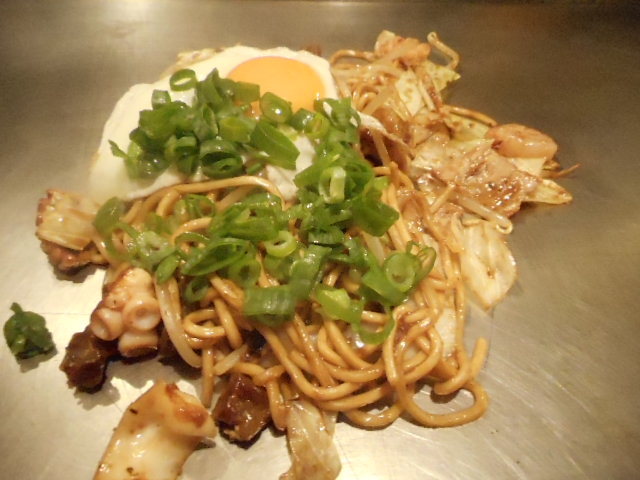
My wife ordered "old-fashioned yakisoba" and took a bite.
I really don't understand where it is that this is considered "old-fashioned" in a certain way. However, I felt a sense of discomfort regarding the texture of this "old-fashioned yakisoba". If this "old-fashioned yakisoba" truly is what it claims to be, then I really want to know what criteria was used to determine that. Otherwise, it feels rather inappropriate to refer to it as an "old-fashioned" yakisoba.
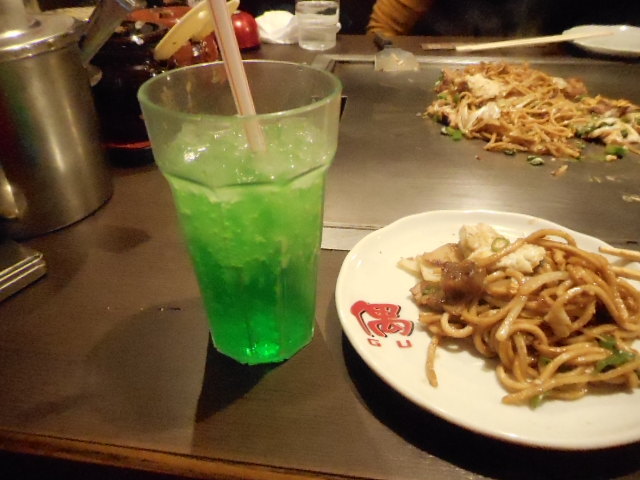
The mixed yakisoba was not bad.
But I really don’t like “oyakimaki”. It’s completely unappealing.