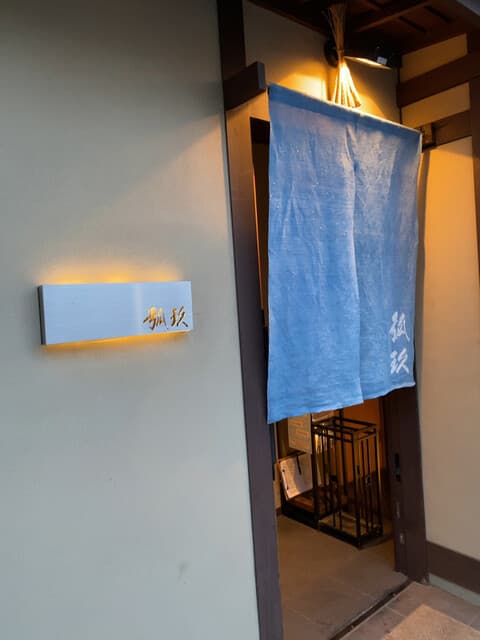
I visited this restaurant for a dinner date in mid-March. Even on that day, the counter was fully occupied. I made a reservation about three weeks prior. It seemed that we were just barely able to get a seat.
Today's dishes were all well-chosen items that brought a sense of seasonality to the dining experience. Among them, the following dishes remain memorable in my memory.
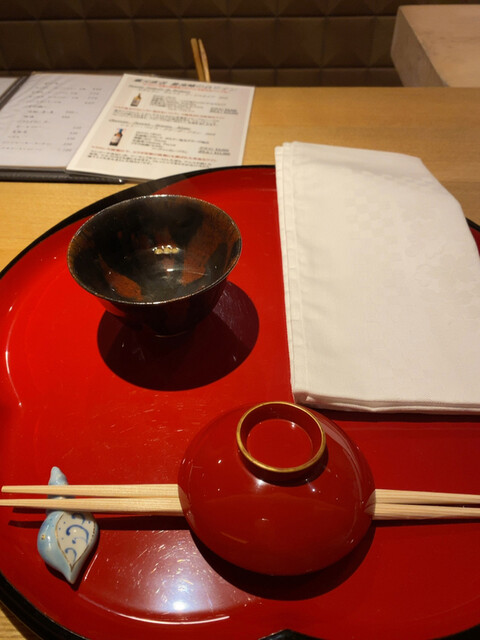
This is a bowl made by Gugi. At the bottom, there are diamond-shaped egg tofu, perhaps due to the month of March. On top, there are white radishes. It's a Gugi with a strong flavor profile. The beautifully decorated bowl, painted with the technique of Enoshima, was specially made by the master chef.
A dish made from red cabbage. It is cooked simply using sesame oil, soy sauce, and salt. It seems to be cultivated in the Shoin-ji Imperial Villa. Both the appearance and taste are simple, yet it evokes a sense of seasonality.
Chirashi Sushi. “March is a month associated with shellfish, so we serve them together.” He said, and what’s on top are magnificent abalones. It’s quite a clever move from the chef.
The following is the base post.
+++
My first visit was in July 2016, during the Gion Matsuri season. I attended the tea ceremony at Yasaka Shrine, where the tea was served by Reiyomoe-sa, the former head of the Oda-ryo branch of the tea family. I also had tea served to me by a geisha at Ikari Tea House. The atmosphere was truly delightful; it felt like I was in Kyoto today. The service was meticulous and elegant. Truly, this is what one could expect from a family like Sakata’s. Moreover, the prices were reasonable. The okra rice served that day was surprisingly delicious, despite its seemingly insignificant nature at first glance. The snacks made with green perilla leaves were also very tasty. In the future, I will definitely visit again. The utensils used are truly remarkable; I am looking forward to seeing them again. Among the items served were the “Akiko Shojou” and “Yurakura Shojou,” which were particularly impressive. Other items like “Shinagari-yaki” and “Egaru” were also well-presented.
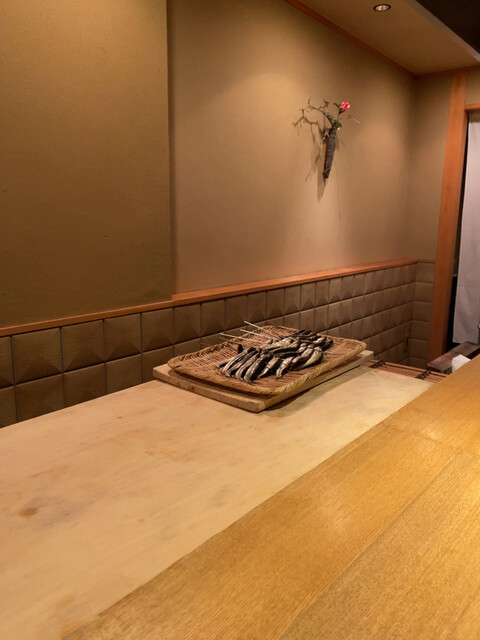
From the Oshimachi Yanagi Station, it takes about 5 to 6 minutes to arrive at the restaurant. After crossing the blue gate, you will see a long building at the back. Looking towards the restroom and private rooms on the right, you proceed along a narrow hallway. There is a long counter where around 10 people can sit.
Let's start by finding something to moisten our throats. Refreshing green tea, pickled with cherry salt, aromatic dishes with the scent of loquat, juices made from plums and oranges, and so on.
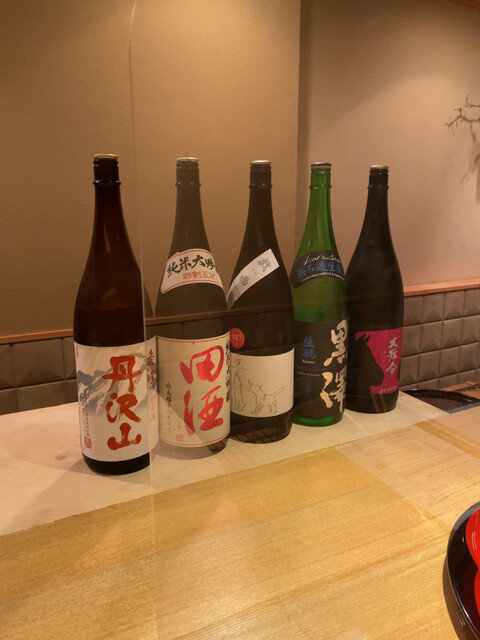
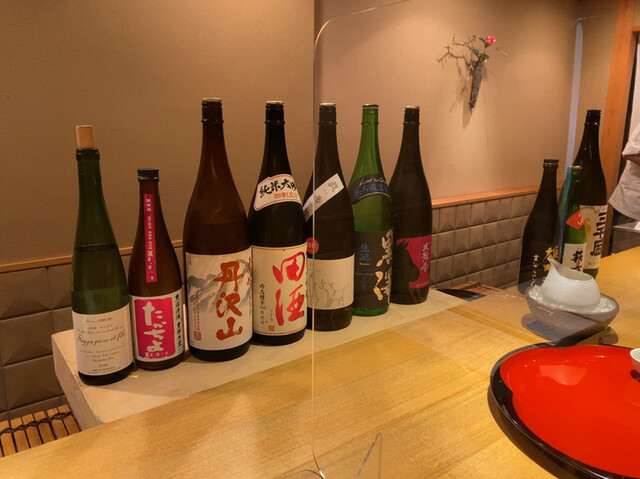
As aperitifs, there are dishes like seafood served with jellies or egg custard. In winter, there are also hot white shrimp topped with dumplings, or calamari served with sesame dressing. At this time, I was offered a glass of Japanese sake as an accompanying drink, which really lifted my spirits.
The bowls contain ingredients that represent the season at that time. These include fish like ebi, sweet salmon, matsutake mushrooms, tilapia, and the remains of potatoes left after cooking. There are also egg tofu, sesame tofu, and other delicacies. The broth has been well extracted, making the dishes extremely delicious. However, a dish with a similar flavor can only be found at Gourmet Miyazaki in Tokyo. It’s truly different from the cuisine of Tokyo’s restaurants. One dish that left a deep impression on me was a bowl of clams and scallops served in spring. The thin slice of radish placed on top of the potatoes symbolized the melting snow of spring. Not only was the taste delicious, but the beauty of this presentation also impressed me deeply. It truly felt like a sign of the arrival of spring.
The sashimi consists of two types of seafood. Sometimes, two different types of seafood are combined in one plate; other times, each type is served separately. The classic combination often includes bonito and tuna, or skipjack and tuna. However, there are also dishes that feature umi or shellfish. In the former cases, seasoning such as soy sauce, jellies, and chiri-tsuyu are often served alongside the food. In the latter cases, lemon juice may be added to enhance the flavor. It seems that these dishes require some extra effort in preparation.
This strong dish was introduced to me this year (2020), and it seems that the eel marinade has become a specialty. It features sweet Hokkaido onions, dill, and chives, along with a slight sprinkle of seven-flavor seasoning. It’s an outstanding dish, characterized by the fragrant aroma of vegetables and the crisp texture of the eel. It can also be served as a 8-inch piece of grilled food.
The eight-inch dishes are truly exquisite, reflecting the elegance of Kyoto. There are many elaborately prepared dishes served, and the staff shows great care in presenting them. This is a testament to Masaaki Maehara's vision of allowing diners to experience the essence of the season through these dishes.
Before the rice, there are grilled dishes paired with cooked rice. The cooked rice itself is particularly delicious. There are items that showcase finesse, such as eggplant and eggplant with tofu, and steamed vegetables made from tuna. Others include dishes like duck with radish, pork with radish, beef shabushabu, and fruits like figs and sesame sauce. There’s also sesame tofu mixed with chestnuts, mushrooms, and wakame, which are cooked in a clay pot until they become tender. The menu is truly diverse.
The rice often includes vegetables. Radishes, radish leaves, okra, bamboo shoots, and shiitake mushrooms are some of the simple ingredients used. However, the quality of the rice is crucial. In October or November, the white rice is cooked beautifully. The pickles also vary according to the season; there’s always something different each time, which keeps the meal interesting. Sometimes, salmon was served with sesame sauce as a topping to add some contrast.
The desserts consist of two items. The first item is a fruit-based dessert, such as creme brûlée. The second item is a rolled pastry dessert. These desserts reflect the current season, and each time is truly wonderful. In the end, we are served matcha.
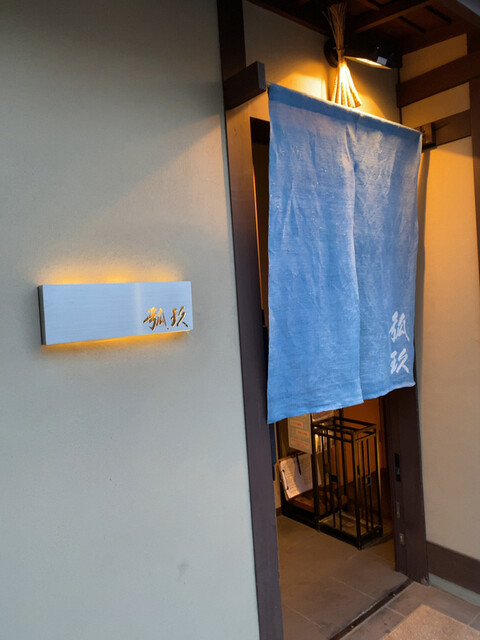
I visited this restaurant for the first time in July 2016, during the Gion Matsuri festival. I attended the tea ceremony held at Yasaka Shrine, where the tea was served by Reiyomoe-sa, the former head of the Oshika-ryo. I also had tea prepared by a geisha at Ikari Tea House. The atmosphere was very pleasant, and I felt completely delighted. Since there were four people attending that time, we were served in a private room. The decorations were full of seasonal charm, and the cuisine truly embodied the modern Kyoto style. The service was meticulous and elegant. It's really impressive that this restaurant has the DNA of Sakurada. Moreover, the prices were reasonable. The rice with okra that was served at that time was surprisingly delicious, even though it seemed like a rather ordinary ingredient at first. I was also impressed by the delicious snacks made with green perilla leaves. In the future, I will definitely visit again. The dishes prepared by 11th-generation Sakurada Takahari-sama are truly remarkable. Other items like realgar dishes and Eikuro (such as Wakanku or Moe-kan) are also well-presented.
From the Oshimachi Yanagi Station, it takes about 5 to 6 minutes to arrive at the restaurant. After crossing the blue folding gate, you will see a long building at the back. Looking towards the restroom and private rooms on the right, you proceed along a narrow hallway. There is a long counter where about 10 people can sit.
Let’s start by finding something to moisten our throats. Fresh cold tea, pickled with cherry salt, aromatic dishes with the scent of loquat, juices made from plums and oranges, and so on.
The appetizers include dishes like seafood served with jellies or egg custard, and in winter, hot white shrimp topped with a filling. There are also dishes like kalasumi topped with sesame dressing. At this time, I was offered a glass of Japanese sake as an accompanying drink, which really lifted my spirits.
The bowls contain ingredients that represent the seasons of that particular time. There are eel, sweet salmon, matsutake mushrooms, catfish, and the leftovers of sweet potatoes. In addition, there are tofu made from eggs and sesame seeds. The soup has been well-cooked, making it extremely delicious. However, a dish with a similar flavor can only be found at the restaurant “Miyakazan” in Tokyo. It truly differs from the cuisine of Tokyo’s restaurants. One dish that left a deep impression on me was a bowl of clams and scallops served in spring. The thin slice of radish placed on top of the sweet potato represented the melting of winter’s snow. Not only was the taste delicious, but the beauty of this presentation also impressed me deeply. It truly symbolized the arrival of spring.
The sashimi consists of two types of seafood. Sometimes, two different types of seafood are combined into one plate; other times, each type is served separately. The classic combination often includes bonito and tuna, or skipjack and tuna. However, there are also dishes that feature abalone or shellfish. In the former cases, ingredients like soy sauce, jellies, and chiri-tsuyu are usually served alongside. In the latter cases, lemon juice may be added to enhance the flavor. It seems that these dishes require some extra effort in preparation.
The strong appetizer was something that I started serving since this year (2020). It's eel marinated in salt.
It seems to be becoming a specialty item. It features sweet Hokkaido onions, dill, and chives, all arranged together. A little spice is also added to enhance the flavor. It’s an impressive dish, where the aroma of vegetables and the crisp texture of the eel create a memorable experience. This dish can also be served as a 8-inch cut of grilled food.
These eight-inch dishes are truly a sight for the eyes in Kyoto. There are many elaborately prepared dishes served, and the presentation is extremely meticulous. This is a culmination of Maeda-san’s vision to bring out the best flavors of the season through these dishes.
Before the rice, there are grilled dishes paired with cooked rice. The cooked rice itself is particularly delicious. There are items that showcase finesse, such as taro and eggplant served with dried cod, or dishes like duck and radish, pork and radish, or beef shabushabu topped with fig and sesame sauce. Additionally, there are soy tofu made with chestnuts, mushrooms, and wakame vegetables cooked in a clay pot over a high heat. The menu is truly diverse.
The rice often includes vegetables. Radishes, radish leaves, okra, bamboo shoots, and shiitake mushrooms are simple ingredients, but it's these ingredients that make the difference in taste. In October or November, the white rice is cooked beautifully. The pickles also vary according to the season; there’s always something different, which keeps the meal interesting. Sometimes, salmon was served with sesame sauce as an accent.
デザートは二つあります。一つ目は果物やクレームブリュレを使ったもので、二つ目は練り切りされたお菓子です。これらはそれぞれその時の季節を反映しており、毎回素晴らしいものです。最後に抹茶をいただきます。