The clear sky during the rainy season. A refreshing weekend Saturday, I took a walk around Sannai. This area is familiar to me from years past, and I decided to visit it to learn more about the current situation of eel farming in this region.
“うな秀”さんは、昨年(2024年)6月に開店しました。関西風の炭火で地焼き料理を提供する専門店で、うな重やひつまぶし、白焼きなど、定番のエビ料理を取り扱っています。
The order includes 1.5 servings of “Ukanage,” and one serving of “Nanga.” The orders were placed using the ticket vending machine located inside the restaurant. This area benefits from the influx of foreigners, so it’s understandable that orders are made through this method. However, it feels a bit lacking in quality.
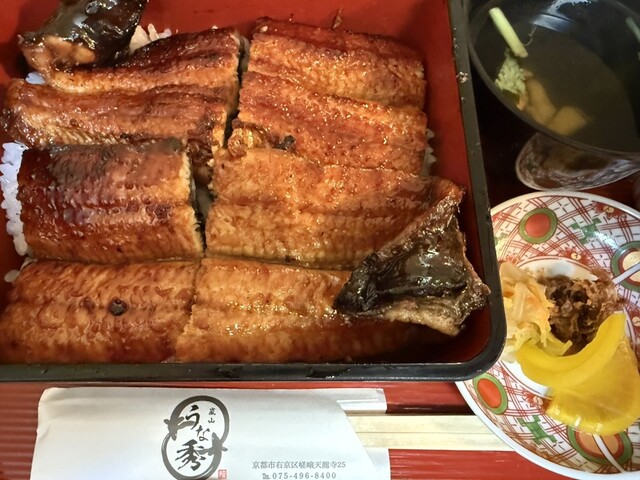
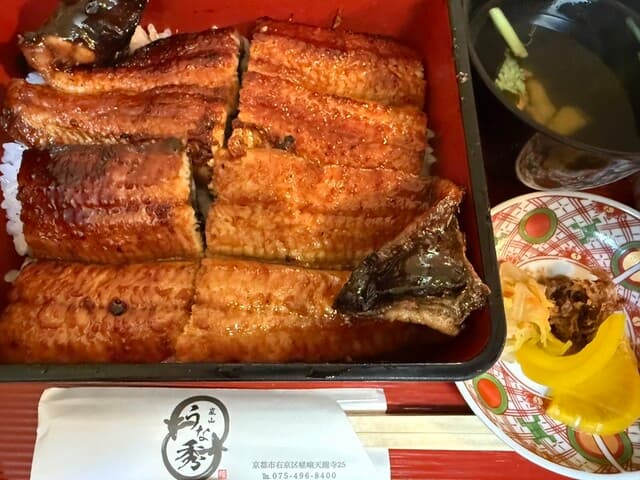
This time, I ordered a "Shanguna Jū" (¥6,000).
It took about 20 minutes to prepare the food, so I spent that time observing the layout of the restaurant. The staff on the floor seemed friendly, but since all the customers were foreigners, customer service seems to be a challenge.
Even after sitting down at the table, the order of drinks and desserts is still required to be purchased using a food coupon machine. This makes it difficult to dine in a calm manner.
Additionally, the reviews of this restaurant vary. After actually tasting the food, I understood the reasons why some people seem to agree with it. So, I’ve listed these points as a note for future reference.
When eating eel, what I always notice is whether the high-quality ingredients have been fully utilized. That's how I approach it.
This restaurant also claims to use top-quality domestic eel as its main ingredient. Therefore, it seems that they have adopted cooking methods that are suitable for such ingredients.
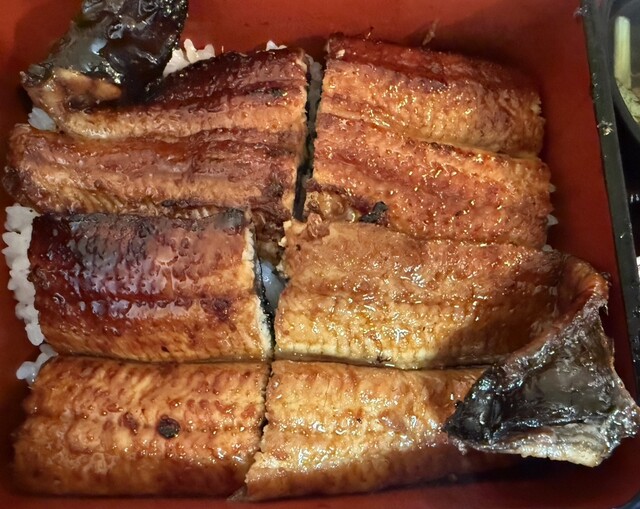
First, what caught my attention was the way the rice was arranged before discussing the eel. Even though we used high-quality rice from Kyoto’s eighth-generation Iyabei restaurant, the way the rice was arranged seemed rather careless and sloppy.
“To put rice in an o-tsuke.” Why do we have the terms “don” and “o-tsuke”? Have you ever thought about why “o-tsuke” is slightly more expensive? As a craftsman, it's natural to keep this difference in mind.
What kind of arrangement will make the food delicious for both sides? In the case of using "Ochou", it's usually common to arrange the food evenly. Honestly, such an uneven arrangement is quite rare, lol.
Therefore, it is inevitable to feel a certain degree of impropriety in terms of mood. When there is inconsistency, the amount of eel and rice used in each bite changes. Appearance also plays an important role.
Additionally, the sauce was sometimes not poured over the rice. As a result, the taste of the eel felt bland and insufficient. This factor also affects the grilled dishes that will be discussed later.
First, after taking a bite of the eel, I felt two things. One was the hardness of the meat. The other was that the grilling process seemed excessive. There was no that soft, fluffy texture typical of grilled food. Moreover, the skin had a particularly strong burnt taste.
Generally, when the heat of the charcoal varies, it is easy to cause uneven cooking. Therefore, adjusting the heat is something that chefs pay the most attention to.
However, in order to eliminate this uneven cooking, some restaurants choose to perform a secondary baking process. Generally, due to the hassle involved in removing the meat from the dish, starting the fire, and adjusting the heat, many restaurants opt for this method as a simpler solution.
When grilled, even the most expensive ingredients cause the fish fillet to become hard, and both texture and flavor are significantly reduced. It’s simple, but fresh-fried fish is actually quite delicious.
Additionally, some restaurants claim to use charcoal fire, hoping to achieve a stable flame. However, with gas flames, the fire only reaches the surface; when using charcoal fire later, the charring of the skin tends to be more pronounced.
Additionally, there are challenges in the selection of eels as well.
The “hine” type of parent eel is prone to becoming hard. In such cases, using the “tobi” method allows for a more tender final product. Additionally, there’s another method: adding a little steaming process before grilling.
During this period, from mid-June, markets become flooded with “newly caught” eels in preparation for the summer season of “Tsuchiu”. In restaurants that claim to serve top-quality products, these eels are undoubtedly the main ingredients used in their dishes.
However, the fact that the items are large in size and tough in texture clearly indicates that they are "bent" items. In other words, it also depends on the skill of the person who examines them.
In any case, the bonito that is considered delicious is heated immediately on a stable charcoal fire after being prepared. It is then cooked thoroughly through by using far-infrared rays. From the middle stage onwards, the grilling intensity is increased, and the fish is cooked all at once. In this way, the inside of the fish becomes soft, while the skin develops a crispy texture.
関西風の地焼きは、焼く方法によって食感が変わってしまいます。しかし、今回のように食感になるのは、焼く前の調理に問題がある場合がほとんどです。
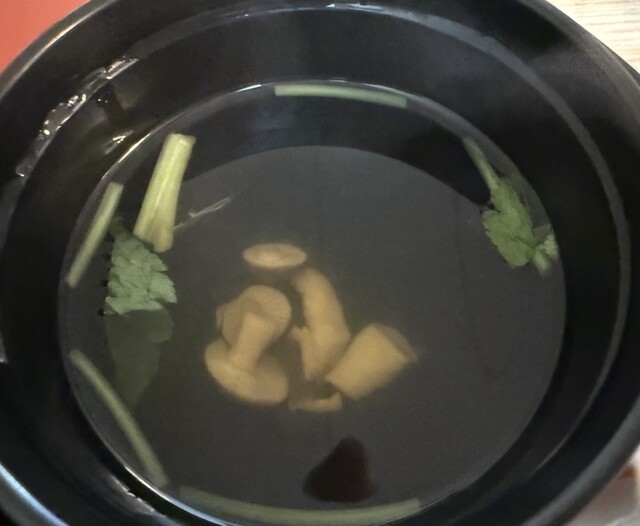
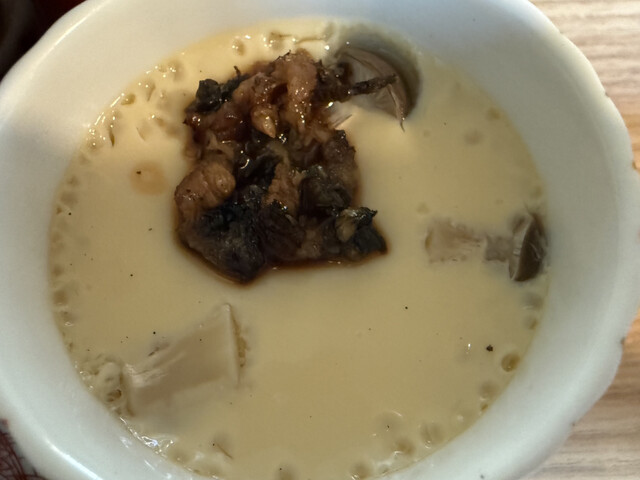
Additionally, there are also drinks and tea bowls steamed foods. However, the broth used seemed to be a ready-made one. The tea bowls steamed foods had an overly strong saltiness and sweetness in their taste. The drinks also featured a strong emphasis on sweetness. Both items tasted like standard noodle soup or broth seasoning mixtures.
The water had no odor, and it seemed to have been purified. The tea was also delicious.
This time, the comments turned out to be quite harsh. Both the taste and appearance were overall disappointing; there was a lingering sense of vulgarity that made it regrettable.
In truth, how are the chefs in that kitchen dealing with the use of salmon, a premium ingredient?
I hope that the artisans who sincerely engage with the eels will continue to display their creative and ingenious skills.
Also, I would like to visit again in a while. I will keep improving myself day by day. Thank you for the delicious meal.