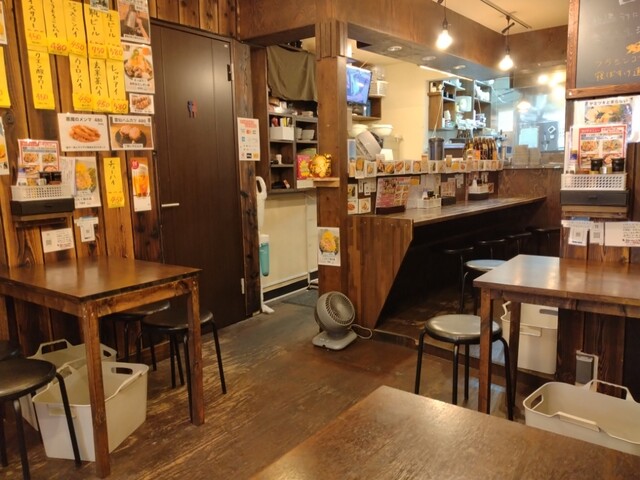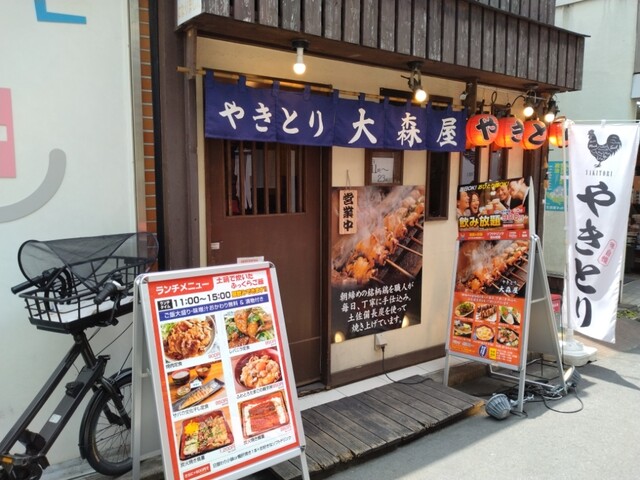
Previously, this was a izakaya that only opened from dusk. However, recently they have also started serving lunch. So, I decided to stop by for a drink during lunchtime. When I sat down, the staff told me that I should place my order by scanning the QR code with my smartphone. I obediently followed their instructions.
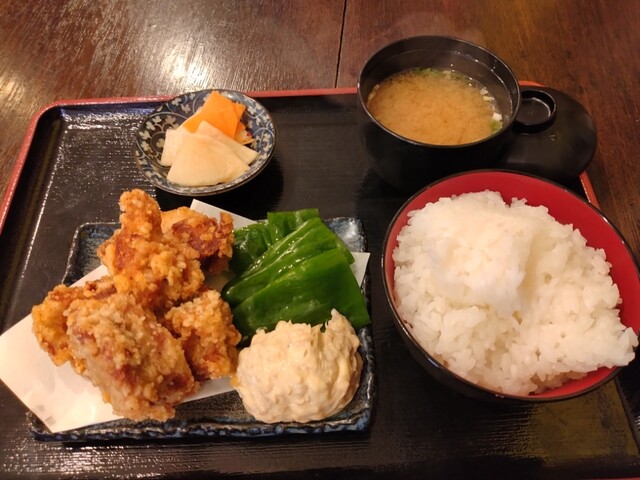
First, I chose the fried chicken set meal (850 yen + tax). The rice is provided in a large portion for free, but I couldn’t find a button indicating a large portion on the phone screen. So, I’ll just press the button that allows for free additional rice later on.
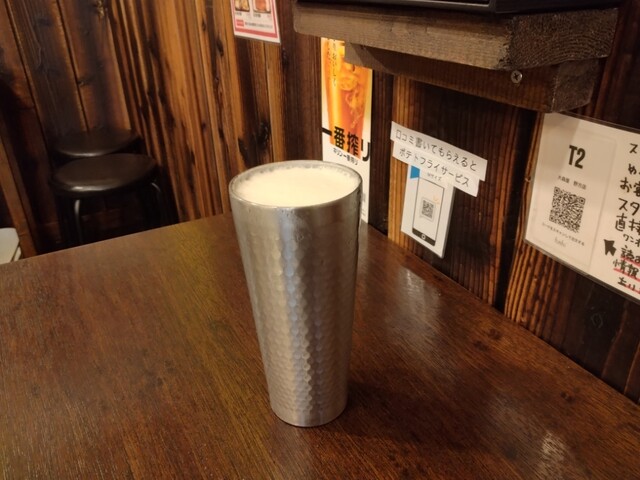
Well, here comes the problem. I want to drink raw beer using a coupon from Yeklog (300 yen + tax). However, only regular raw beer (580 yen + tax) is displayed on the screen. In desperation, I called the staff and showed them the coupon from the Yeklog app so they could help me.
The beer served with the restaurant-review coupon is a so-called "glass size". Even without the coupon, it costs only 300 yen.
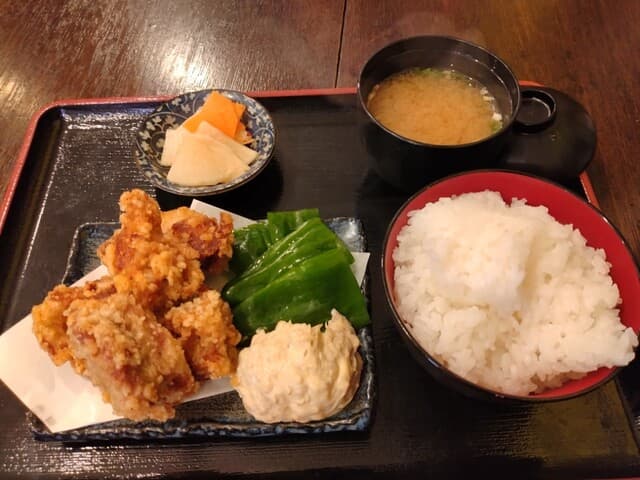
After a while, the delivered fried chicken meal came with an abundant amount of tartar sauce. Tartar sauce is always something that seems to be missing in any fried food I've eaten—whether it's chicken wings or shrimp feasts. So, this is definitely a great addition, and I couldn't help but smile.
However, upon tasting it, I found that it wasn’t tar tar but rather mayonnaise with bonito fillets. It was delicious on its own, but there was an undeniable sense of being deceived.
For now, it feels like I’m somewhat at a loss, so to make up for it, I ordered “extra rice for free” through my smartphone. Then, a staff member came over and said, “You want extra rice, right?” She brought back an empty bowl and placed some rice in it before returning.
What I want to say is that, compared to when I asked the staff inside the counter to ask for an additional serving of rice, there isn’t a single decrease in the amount of work done by the staff.
In an era where the rising labor costs are a concern, it is understandable to introduce QR code ordering as a way to save the hassle of taking orders. This would be especially reasonable for bars with high order volumes. However, for lunch customers, oral orders might not be necessary at all.
If I could have made a verbal order, I would have ordered the extra-large rice from the beginning, since it wasn’t displayed on the smartphone menu. That way, the hassle of ordering more food would have been avoided right from the start.