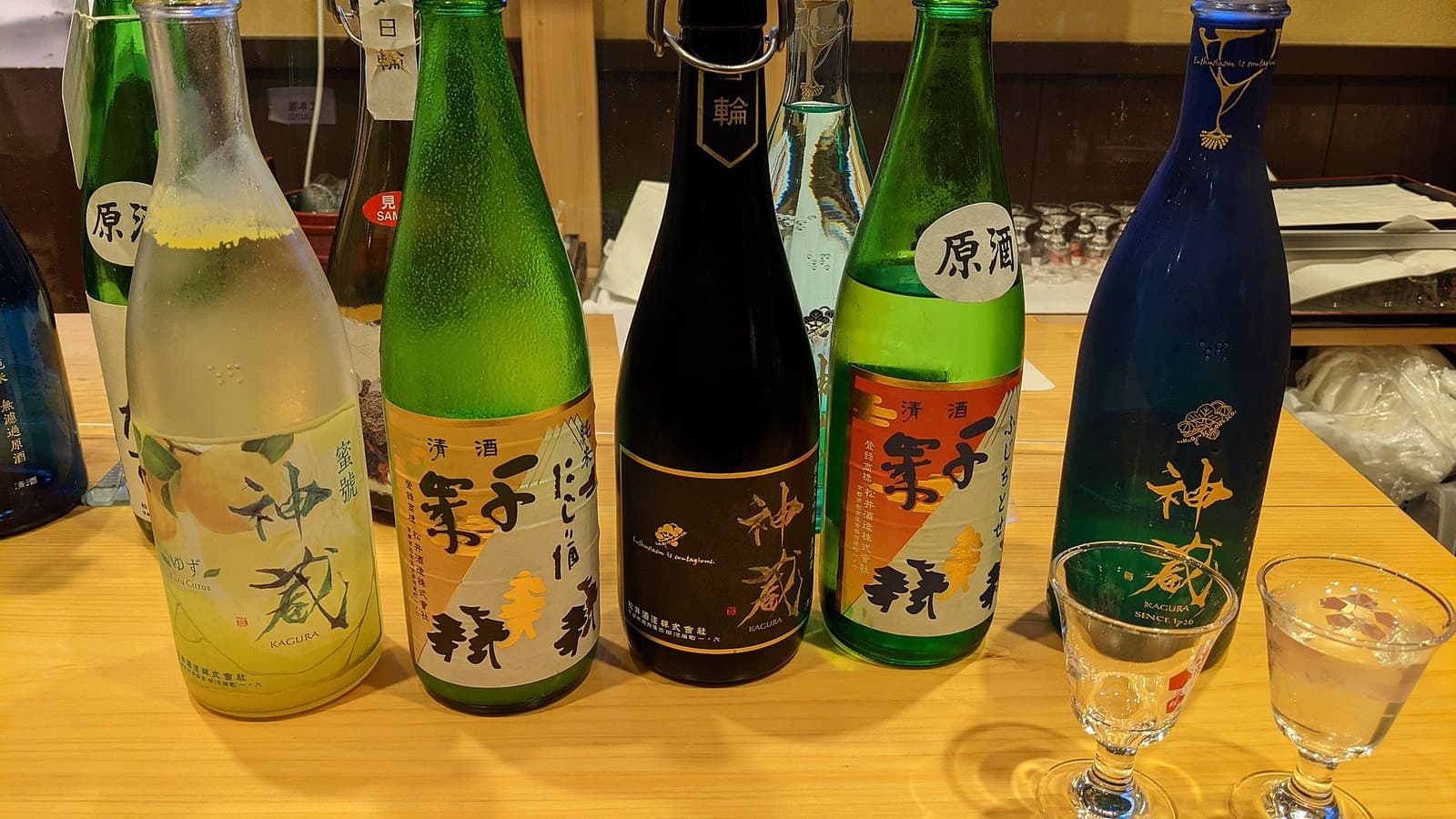
Japanese sake culture is best approached as a slow, layered travel experience rather than a checklist stop. The most memorable visit comes from noticing how landscape, local routine, food, and seasonal detail work together.
The best way to experience Japanese Sake Culture is to choose a pace before choosing a route. Leave room for weather, small shops, seasonal details, and the moment when a familiar landmark looks different from another angle.
Start with context
Before building an itinerary, think about why this place matters. Some destinations are known for a famous view, while others are remembered through texture: quiet streets, regional ingredients, craft traditions, or the way local people use public space.
Arriving with context changes the day. Instead of moving from one pin to the next, you begin to read signs, sounds, and small habits. That is often where a trip to Japan becomes more than transportation and sightseeing.
Plan a humane pace
A good route leaves room for delays and second looks. Start with one anchor activity in the morning, one in the afternoon, and several flexible pauses between them. This keeps the day structured without turning it into a timetable.
If weather, crowds, or fatigue change the plan, choose depth over coverage. Spending longer in a garden, temple precinct, market street, or bath town can be more satisfying than adding another hurried stop.
Notice the local details
Look for details that connect the place to its region: materials used in buildings, seasonal food, water, mountains, sea, festivals, shop signs, and the rhythm of local transport. These details help a destination feel specific rather than interchangeable.
Food and small purchases are useful ways to slow down. A snack, tea break, simple lunch, or craft shop can become a window into local taste and habit, especially when chosen with curiosity rather than urgency.
Travel with care
Respectful travel is usually practical travel. Keep noise low in residential lanes, follow photography rules, carry out rubbish, and avoid blocking narrow paths. These small choices make popular places easier for everyone to share.
The reward is a better day. When you move calmly, local spaces become easier to appreciate, and the article you remember is not only about what you saw, but also about how the place felt while you were there.
Useful notes
- Choose one or two must-do items, then leave flexible time around them.
- Check transport times and last return options before you wander far from the main station.
- Build in a real meal or tea break instead of relying only on quick snacks.
- Avoid copying a fixed route if weather, crowds, or your energy suggest a slower plan.
Build the day around one clear thread
For a fuller visit, use rice polishing as the main thread and let koji and fermentation guide the pace. This keeps the itinerary from becoming a scattered list of stops and gives the article a clear sense of movement.
Add regional water only when there is enough time to slow down. The best version of sake culture is not the fastest one; it is the one where scenery, local routine, and small pauses have room to register.
Where the experience becomes specific
Details such as brewery tasting rooms make the destination feel rooted in its region. They are not side notes. They are often the reason a traveler remembers the day after the famous view has faded.
Practical planning also changes the experience. Think about food pairing before the trip, and keep serving temperature in mind if you want the route to stay flexible. A little preparation leaves more attention for the place itself.
Let the day adjust naturally
Plans work best when they stay flexible. If the busiest place feels crowded, turn toward quieter streets, smaller stops, or a longer meal; if weather shifts, move sheltered choices earlier in the day.
By the end of the day, Japanese Sake Culture should feel less like a checklist and more like a place with its own rhythm: where to pause, what to notice, and what to let linger after you leave.
Extra planning checklist
- Put rice polishing and regional water on the map before choosing meal times.
- Check opening hours, transport frequency, and seasonal conditions related to food pairing.
- Leave a flexible hour for brewery tasting rooms or another local detail you discover on the day.
- Avoid treating the guide as a race; the strongest memories usually come from one unhurried stretch.