What is a 'Fruit Sandwich'?
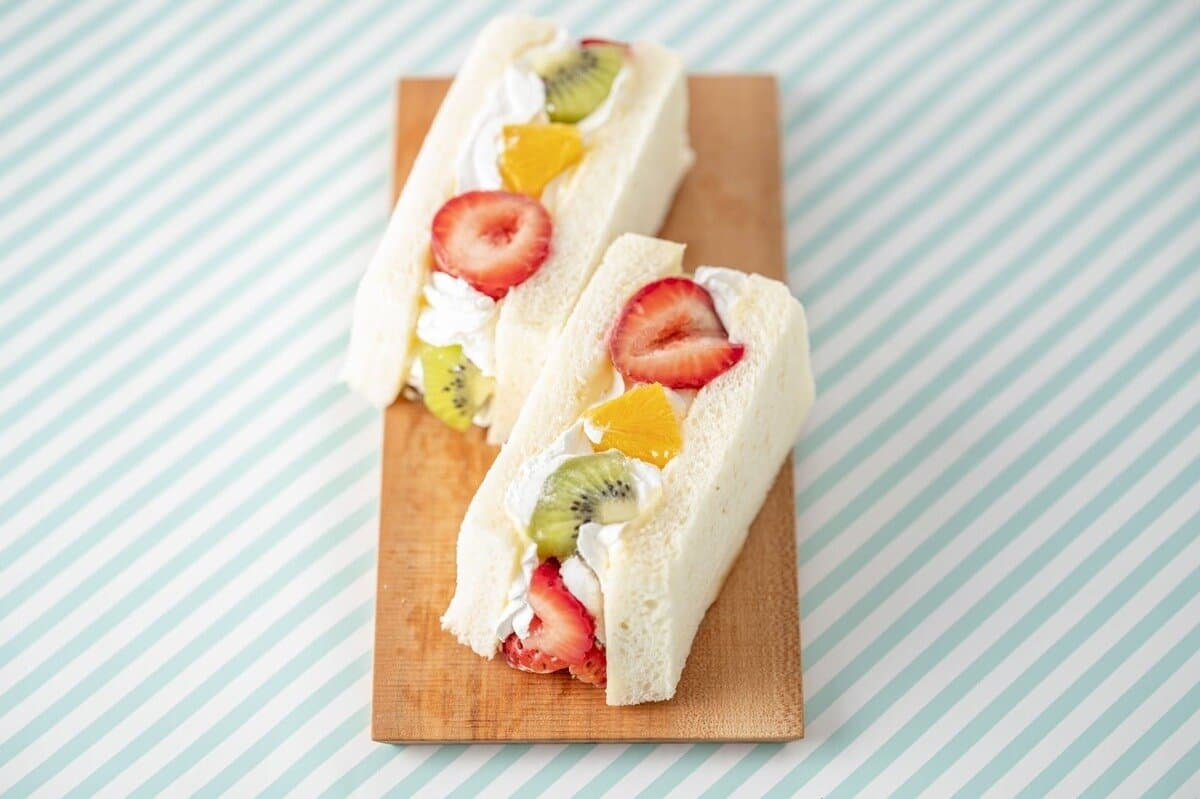
A fruit sandwich is a delightful delicacy consisting of fresh fruits and whipped cream nestled between slices of bread.
Typically, it is made using soft, fluffy white bread.
The filling may include a variety of fruits like strawberries, kiwi, melon, and peaches.
The blend of the fruits' natural sweetness with the smooth cream results in a delicious flavor that many find irresistible.
This sandwich type is also visually appealing, contributing to its popularity, often ranking as a top item at cafes and dessert shops.
Customers frequently share images on social media, showcasing a cross-section of the vibrant fruits layered within.
The fruit sandwich originated in Japan during the Taisho era.
It was developed as a dessert utilizing fruits at a time when Western cuisine was becoming more popular.
Initially, it was available in upscale fruit stores and department store cafes, gaining particular popularity among women.
Recently, fruit sandwiches featuring local fruits have surged in popularity, presenting a variety of flavors.
What is 'Fruit Daifuku'?
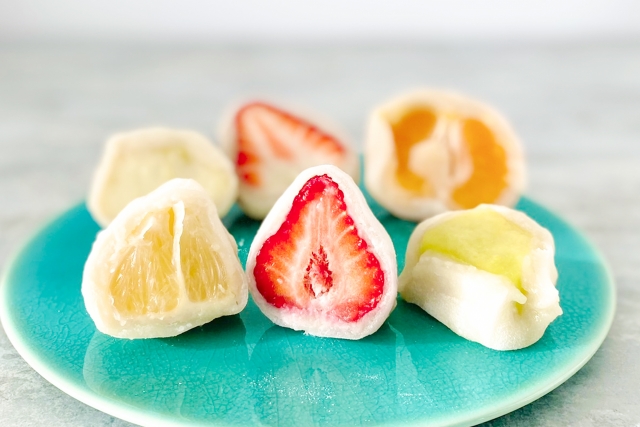
Fruit daifuku is a classic Japanese treat that combines daifuku (a sweet delicacy made from chewy rice dough filled with sweet red bean paste) with fresh fruits.
Inside the daifuku, you'll often discover fruits paired with sweet red bean paste or cream.
Strawberry daifuku is one of the most well-known varieties throughout Japan.
Other seasonal fruits such as mandarin oranges, kiwi, and peaches are also incorporated.
These fruit daifuku provide a unique taste experience, merging the tartness of the fruits with the sweetness of the red bean paste or cream.
The colorful and attractive appearance of fruit daifuku makes it a favored choice for gifts and special occasions.
Recently, innovative styles of fruit daifuku combining traditional red bean paste and cream have emerged.
Many individuals slice into these treats to reveal the fresh fruits within and capture photos for social media.
Types of Fruit Sandwiches and Fruit Daifuku
Fruit sandwiches showcase a variety of fruits.
Let's delve into some commonly used fruits.
Strawberry
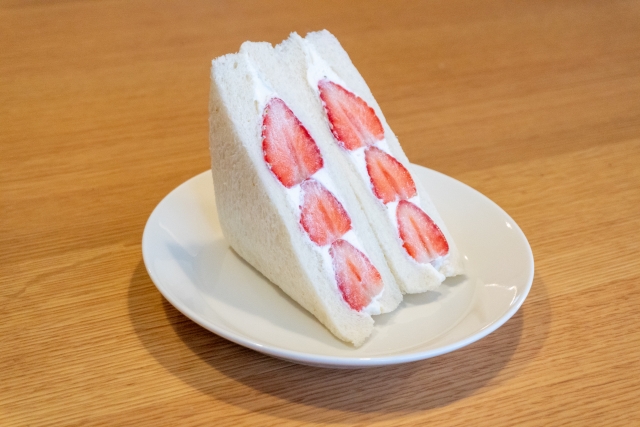
A classic favorite, strawberry fruit sandwiches are cherished for their fresh strawberries and creamy filling.
The sweet and tart notes of the strawberries harmonize beautifully with the cream's sweetness, making it a favorite among many.
Muscat Grapes
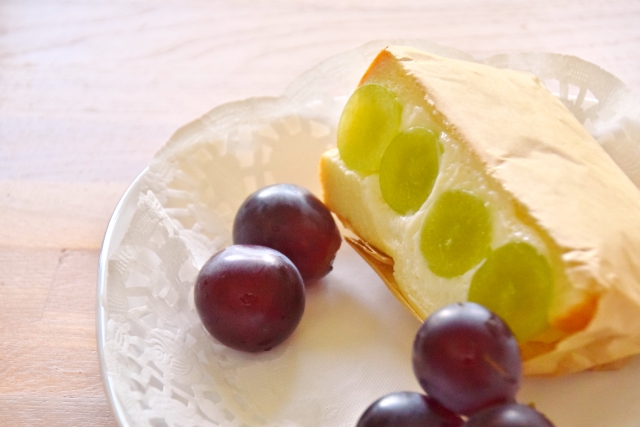
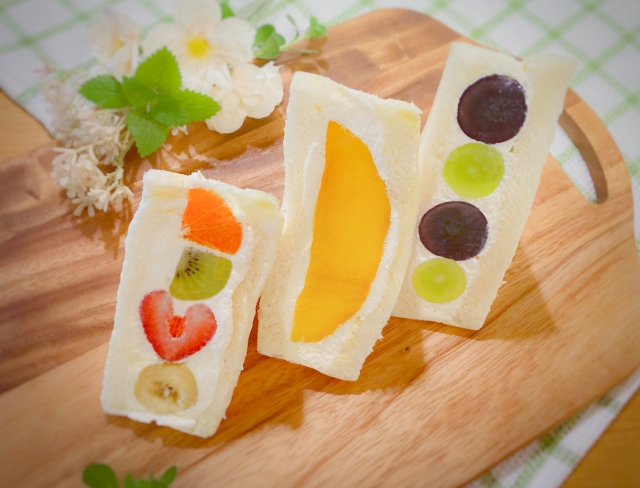
Muscat grape sandwiches, especially those made with Shine Muscat grapes, are particularly popular.
These grapes possess firm flesh along with a balanced sweetness and tartness, providing a pleasing texture and taste.
Orange
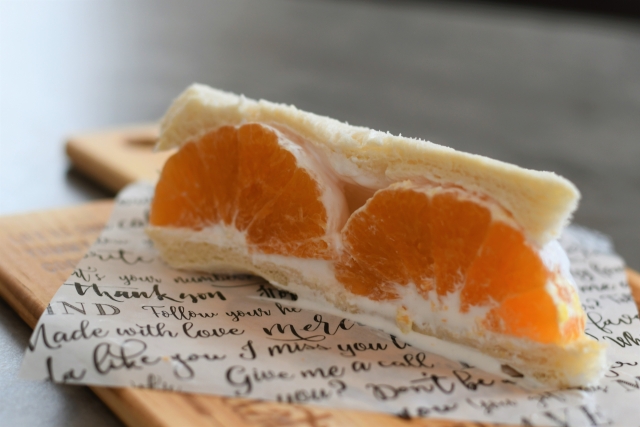
Orange fruit sandwiches are celebrated for their invigorating tartness and sweetness.
The juicy flesh of the orange brings a bright color to the sandwich.
The orange's tartness balances the cream's sweetness, resulting in a delightful flavor combination.
Fried Fruit Sandwiches
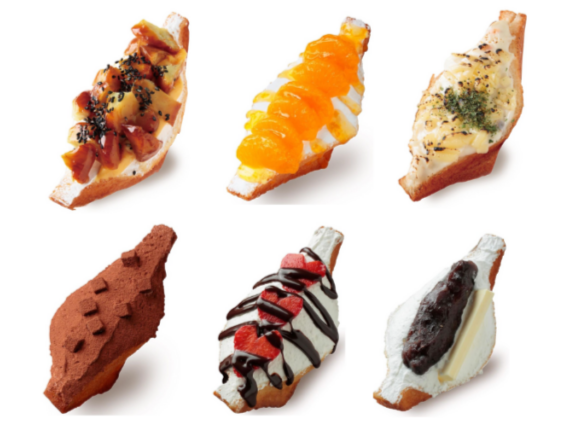
Recently, fried fruit sandwiches have gained traction.
These sandwiches feature a crispy outer layer with a delightful mix of cream and fruit inside.
They are visually enticing and offer a fresh take on the traditional fruit sandwich.
Next, let's examine the fruits used in fruit daifuku.
Strawberry
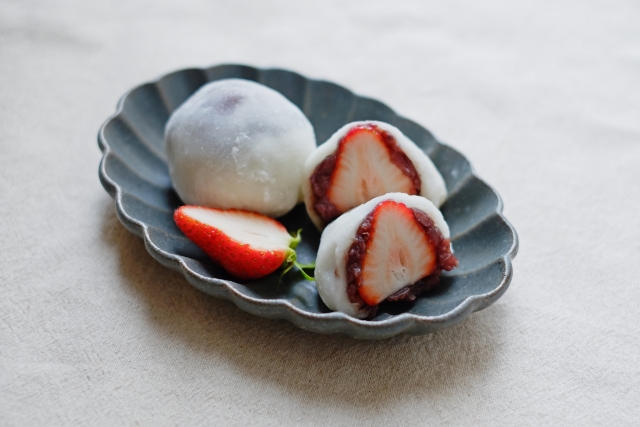
Strawberry daifuku is the most popular variant, known for its sweet and tart flavor.
The combination of the tangy strawberry and the sweet red bean paste is an ideal pairing.
Recently, some strawberry daifuku have been introduced with strawberries partially exposed instead of completely wrapped in dough.
Even traditional Japanese confectionery shops that do not sell other fruit daifuku typically offer strawberry daifuku.
Kiwi
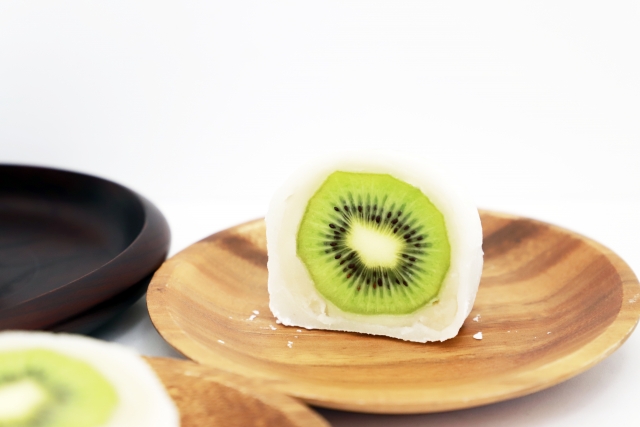
Kiwi daifuku merges the tartness of kiwi with the sweetness of red bean paste or cream.
This refreshing flavor has become a favorite among Japanese consumers.
Mandarin Orange
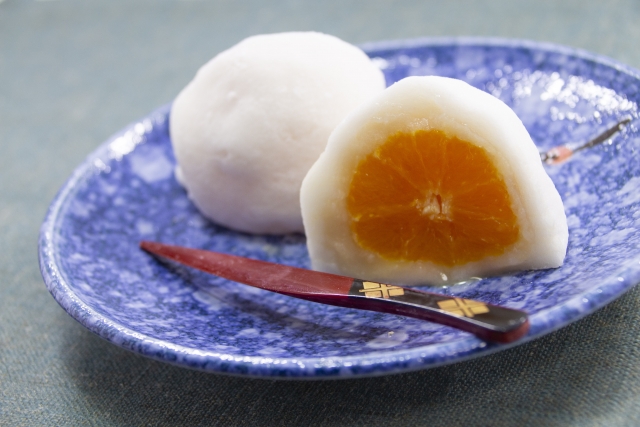
Mandarin orange daifuku features this juicy citrus fruit with the peel removed.
Due to the high water content in mandarin oranges, producers must ensure the moisture does not compromise the texture of the rice dough or red bean paste.
White bean paste is often utilized in these daifuku to enhance the citrus flavor.
How to Enjoy Fruit Sandwiches and Fruit Daifuku
Let’s discuss how to savor fruit sandwiches.
1. Unwrap the Sandwich
Gently unwrap the fruit sandwich to avoid breaking it apart.
2. Cut the Sandwich into Smaller Pieces
If you have a knife, slice the sandwich into smaller, bite-sized portions.
Handle it carefully to prevent the contents from spilling, though you may skip this step if preferred.
3. Eat with Your Hands
Fruit sandwiches contain a lot of cream, which can lead to messiness.
If you'd like to avoid this, utilize a fork and knife.
Now, let’s look at how to enjoy fruit daifuku.
1. Serve at Room Temperature or Chilled
Depending on your preference, you can allow the fruit daifuku to sit at room temperature for a while to soften the mochi, enhancing the flavor of the sweet bean paste. Alternatively, enjoy it chilled for a refreshing treat in the summer.
2. Unwrap the Daifuku
Remove any plastic wrapping before consuming.
3. Cut into Bite-Sized Pieces
Use a knife to slice the daifuku into bite-sized pieces.
Sometimes, fruit daifuku comes with a string for cutting.
If so, wrap the string around the daifuku, hold both ends, and pull to cut.
This reveals the beautiful cross-section, ideal for photos to share on Instagram and other social media.
Tips When Eating Fruit Sandwiches and Fruit Daifuku
- Short Shelf Life Due to Fresh Fruit: Fruit sandwiches and fruit daifuku utilize fresh fruit as their primary ingredient, leading to a very short shelf life. After a few hours, moisture from the fruit can seep into the cream or mochi, affecting the texture. Additionally, the fruit's flavor can change over time, altering its sweetness and acidity. Therefore, it's advisable to consume them on the day of purchase. For tourists, it's best to eat them on the spot at the shop or store them in a hotel refrigerator briefly before enjoying.
- Be Cautious When Carrying in Hot Weather: In summer or during hot weather, the cream and fruit can spoil or melt easily. Particularly when transporting them outdoors for extended periods, the cream may become overly soft, or the fruit may lose its freshness. Using a cooler bag or ice packs is advisable. Additionally, avoid placing them in direct sunlight or inside a vehicle for long durations, and store them in a cool location whenever feasible. Considering the time taken for travel after purchase is crucial to ensure they remain safe and enjoyable to eat.
- Potential for Melting or Collapsing: Fruit sandwiches have soft cream, and fruit daifuku maintain a delicate balance between mochi and cream, so pressing or tilting them excessively can result in loss of shape. Especially for fruit sandwiches, the cross-section is part of their appeal, so handle them with care when photographing. For daifuku, the soft mochi and moisture-laden fruit can lead to collapse if held for too long. When buying, place them horizontally in a bag or use a carrying box for stability. Gentle handling until just before consumption ensures that you can enjoy both their flavor and appearance.