Hello!
Today, we will explore the captivating realm of Japan's culinary culture, particularly the appeal of 'rare' and 'raw' dishes.
For those who may find the concept of consuming raw meat surprising, it is actually a unique and valued aspect of Japanese cuisine.
After this, I hope you will feel motivated to experience this distinctive element of Japanese food culture during your visit to Japan.
What are 'Raw' and 'Rare'?
Let's clarify what we mean by 'raw' and 'rare.'
'Raw' denotes food that has not been cooked at all, such as sashimi.
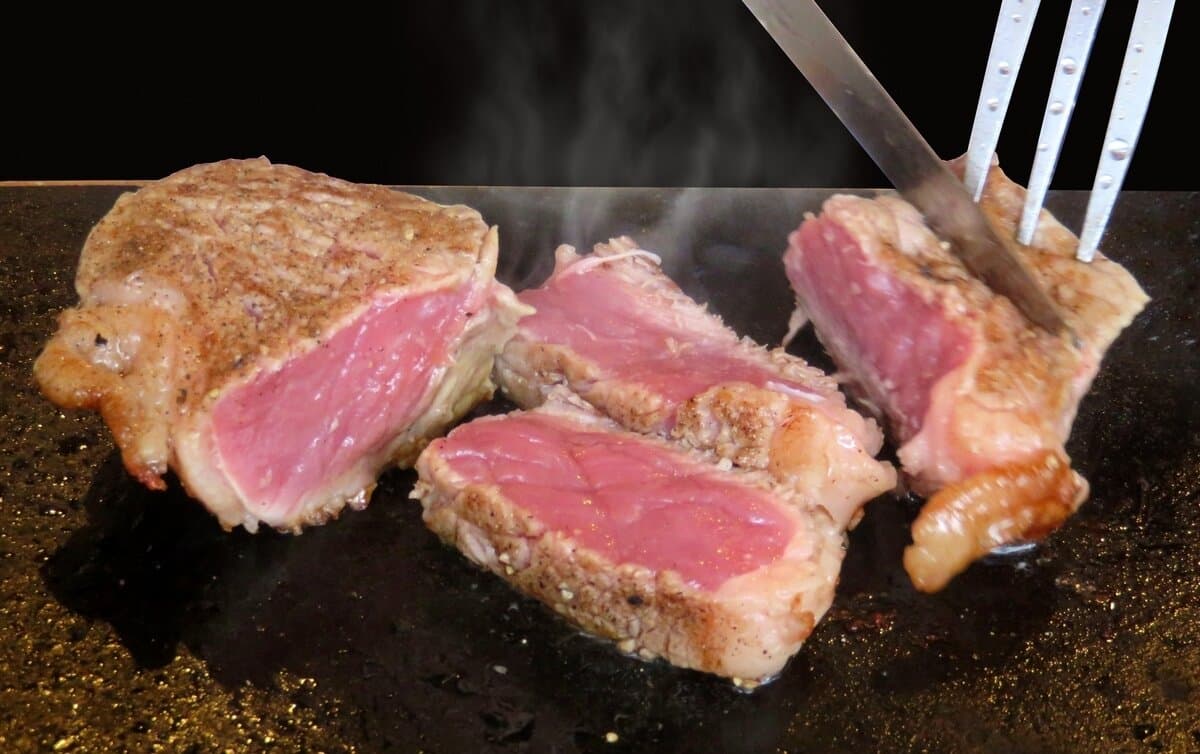
In contrast, 'rare' refers to food that has been lightly seared on the outside while remaining largely uncooked inside.
Examples include rare steak and rare cheesecake.
Why Can You Eat Raw and Rare in Japan?
One reason raw and rare foods are common in Japan is the access to fresh, high-quality ingredients.
Especially with seafood, Japan's rich oceans provide fresh catches that make consuming raw fish a standard practice.
Likewise, beef and horse meat are served raw under stringent hygiene regulations to ensure safety.
Additionally, Japanese chefs have refined their skills over time to serve raw ingredients safely.
From the artful presentation of sashimi to the careful selection and cutting of meat, every aspect is thoughtfully managed to ensure safety and enhance the dining experience.
Enjoying Raw and Rare Ingredients
In Japan, there are numerous ingredients that can be enjoyed raw or rare.
Here are some of the most popular:
Seafood (Sashimi)
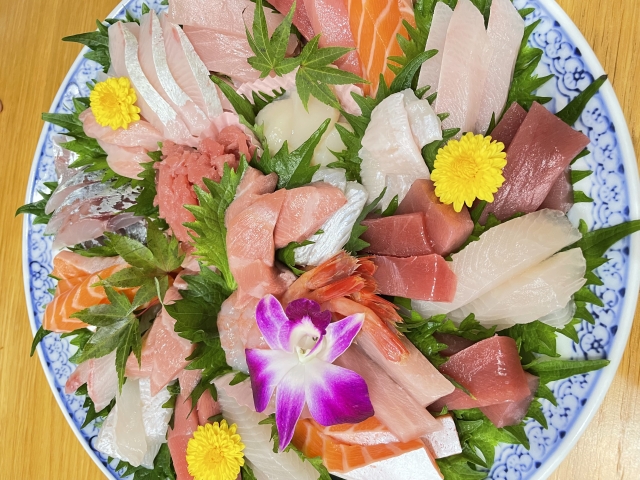
Tuna, salmon, sea bream, and various other fish types can be savored as sashimi.
Particularly at the Tsukiji Market and its successor, the Toyosu Market, you can experience remarkably fresh sashimi.
Beef (Gyu-sashi)
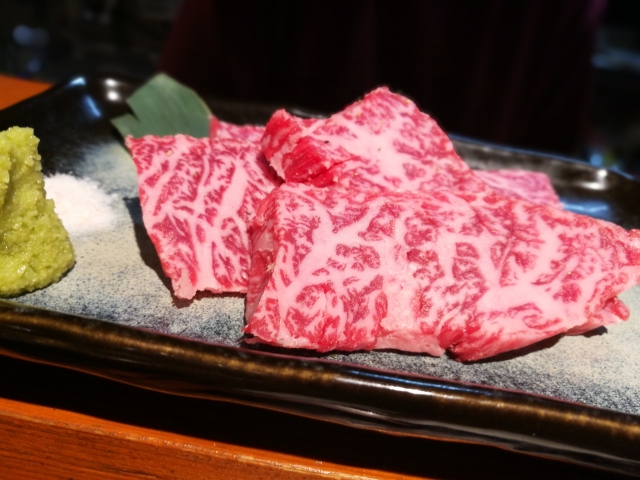
Premium wagyu beef sashimi is known for its melt-in-your-mouth texture and rich flavor.
Horse Meat (Basashi)
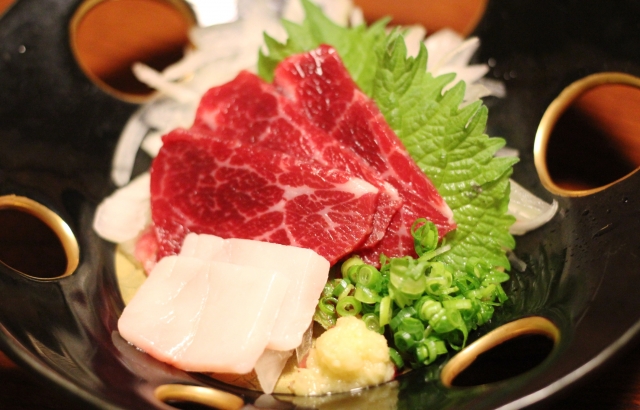
Kumamoto Prefecture is especially renowned for basashi, celebrated for its sweet and delicate flavor.
Eggs (Raw Egg)
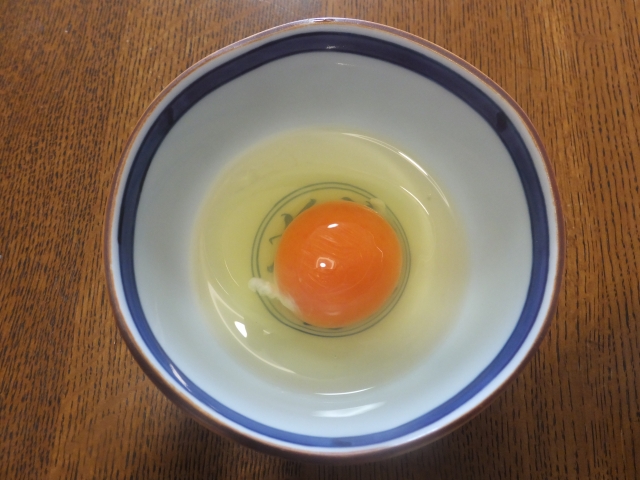
In Japan, it is customary to consume raw eggs over rice, known as 'tamago kake gohan' (TKG), which is quite popular.
Types of Dishes Featuring Raw and Rare Ingredients
Now, let's examine some Japanese dishes that highlight raw and rare ingredients.
Sushi
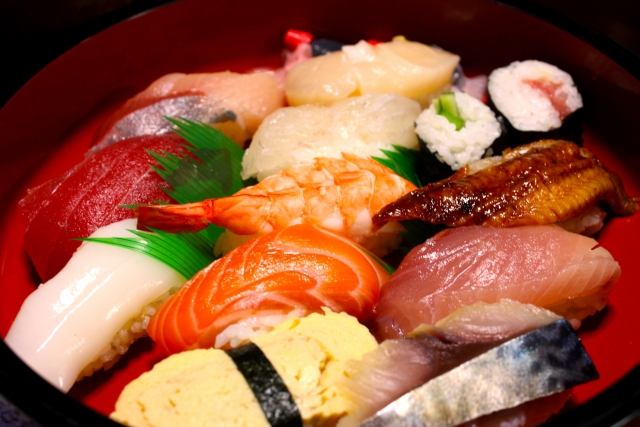
Sushi, which consists of fresh seafood atop vinegared rice, is one of Japan's most celebrated dishes.
Edo-style sushi, in particular, is famous worldwide for its technique and flavor.
Sashimi
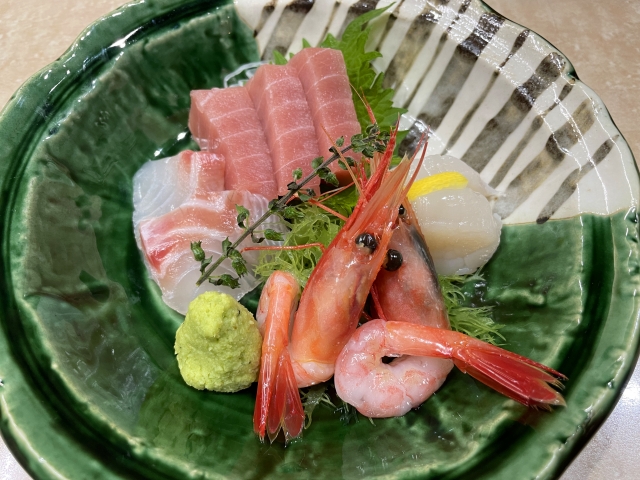
Sashimi is a straightforward yet exquisite dish where slices of fresh seafood are served raw.
The quality and freshness of the fish create an exceptional culinary experience.
Rare Steak
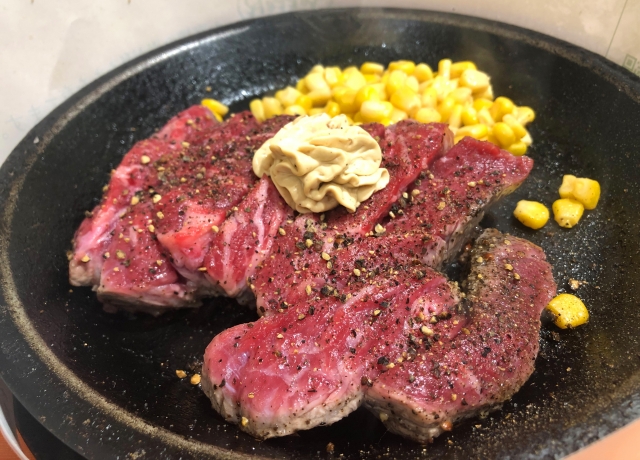
Rare steak made from high-quality wagyu beef is a delight, providing a wonderful contrast between the seared outside and the juicy, rare inside.
Yukhoe (Yukke)
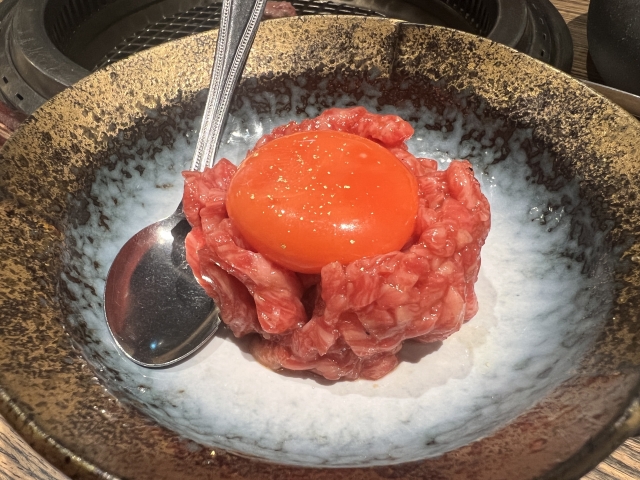
This dish, influenced by Korean cuisine, features finely chopped raw beef combined with egg yolk and special seasonings.
It is also a popular choice in Japan.
Tamago Kake Gohan (TKG)
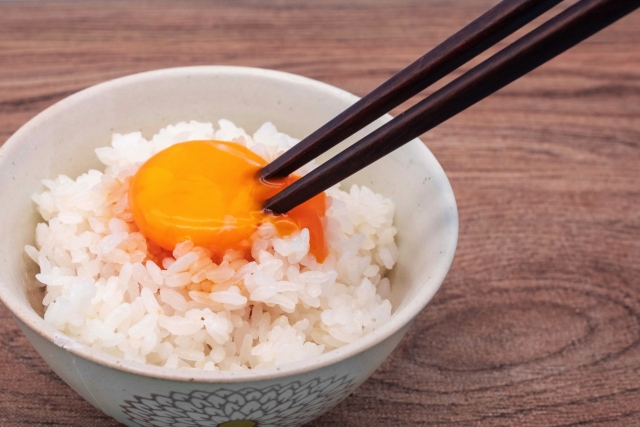
This simple dish involves cracking a fresh raw egg over warm rice and mixing it with soy sauce.
Despite its simplicity, the flavor is incredibly satisfying.
Why Japan Has a Culture of Enjoying Raw and Rare Foods
Abundance of Fresh Seafood: Japan is an island nation surrounded by the sea, and fresh seafood is caught daily across the country. Given the availability of such fresh seafood, the practice of consuming it raw naturally emerged. Dishes like sashimi and sushi, which allow you to enjoy the high-quality freshness of seafood as it is, have become iconic symbols of Japanese food culture.
Long-Established Culinary Techniques and Management Systems: In Japanese culinary culture, sophisticated techniques for handling, cutting, and maintaining the freshness of ingredients have evolved over many years. For example, to serve sushi or sashimi safely, chefs must meticulously evaluate the quality of the ingredients, demonstrate precise knife skills, and ensure proper cold-chain management. These detailed techniques and hygiene practices facilitate the safe enjoyment of raw and rare foods.
- Food Culture That Values the Natural Taste of Ingredients: Japanese cuisine is rooted in a tradition that emphasizes the natural flavors of ingredients. Efforts are made to retain the taste of the ingredients rather than cover it with heavy cooking. Consuming food raw or rare enables people to fully appreciate the subtle flavors and textures of fish and meat, a principle that has long been cherished in Japan.
Conclusion
Japan's 'raw' and 'rare' food culture highlights the country's fresh ingredients and the expert techniques employed to enhance them.
When visiting Japan, be sure to engage with these culinary traditions.
You'll be astonished by the unique flavors and freshness.
We hope that exploring Japanese cuisine will enrich your understanding of the richness and depth of Japanese food culture.
May your culinary adventures in Japan enhance your experience.
Enjoy your gastronomic journey in Japan!