What is 'Hokkaido's Specialty Cuisine'?
Hokkaido is renowned for its diverse and delectable culinary offerings.
Notable specialties include Jingisukan (grilled mutton), Sapporo Ramen, Soup Curry, and Seafood Donburi (rice bowl topped with fresh seafood).
Several factors contribute to Hokkaido's rich array of unique dishes.
Firstly, the vast natural environment.
Hokkaido features expansive landscapes and a variety of natural settings that support a wide selection of fresh ingredients.
Secondly, the abundance of seafood.
Being surrounded by ocean on three sides, Hokkaido benefits from a plentiful supply of fresh seafood.
Another significant element is the pioneer spirit.
Settlers who arrived during the pioneering era introduced new cultures and ingredients, adapting them to suit Hokkaido's climate and environment.
Agriculture and dairy farming also play a pivotal role.
Hokkaido stands as one of Japan's foremost agricultural and dairy regions, with fresh produce and dairy products being essential to its local cuisine.
Additionally, the cold climate has fostered the creation of preserved and fermented foods, leading to distinctive cooking techniques.
Tourism has also made an impact.
To accommodate visitors, numerous dishes utilizing local ingredients have been developed and recognized as specialties.
Finally, the region's traditions and culture have significantly shaped its cuisine.
The unique customs and cultural practices of local communities are mirrored in traditional dishes, resulting in diverse culinary styles throughout Hokkaido.
Cultural and Historical Perspectives — The Story Behind Hokkaido’s Cuisine
How Hokkaido Cuisine Differs from That of Mainland Japan
Hokkaido’s food culture has evolved within a historical and natural context that significantly differs from that of mainland Japan. The most striking distinction is how the region’s natural conditions and frontier history have directly shaped its cuisine.
With its cool climate and extended winters, Hokkaido has developed dishes that fully utilize fresh seafood and dairy products. The flavors are often richer, with many dishes highlighting the savory qualities of fats. While traditional mainland cuisine emphasizes dashi (broth) and fermentation, Hokkaido cooking frequently showcases the robust natural flavors of its ingredients.
During the Meiji era, numerous settlers from other parts of Japan migrated to Hokkaido, bringing new culinary techniques and incorporating Western influences. This blend birthed a unique food culture—one that harmonizes Japanese, Western, and pioneer-style cuisines. This fusion led to the early incorporation of dishes featuring butter, cheese, and milk, along with Western-style meals such as omu-curry and stews.
The Influence of Ainu Culture and the Frontier Era
The roots of Hokkaido’s cuisine trace back to the food culture of the indigenous Ainu people. Living in harmony with nature, they possessed immense knowledge of utilizing seasonal ingredients without waste. Signature dishes include ohaw (a soup made with fish, meat, and wild plants) and chitatap (a dish of minced raw meat or fish).
During the Meiji period, settlers from the mainland initiated agriculture, which catalyzed the growth of farming, livestock rearing, and fishing industries. At this time, Ainu food traditions, Japanese cuisine, and Western influences converged, creating a distinct Hokkaido flavor identity. Dishes like jingisukan (grilled mutton) and those featuring butter symbolize the pioneer food culture of that time.
Preserved Food Culture Born from Harsh Winters
Hokkaido experiences long winters, with temperatures frequently dipping below minus 20 degrees Celsius. Under such extreme conditions, a rich tradition of preserved foods evolved over time.
Dishes like shiokara (fermented seafood), kazunoko (herring roe), himono (dried fish), ikura shoyu-zuke (soy-marinated salmon roe), and sake no yamazuke (salt-cured salmon) were developed as reliable sources of nutrition during the winter. Salmon, in particular, was utilized in its entirety—from flesh to skin and even innards—and continues to be a key ingredient in local dishes such as sanpeijiru (salmon and vegetable soup).
These preserved foods represent more than survival strategies; they embody a lifestyle shaped by coexistence with a challenging natural environment. The richness of contemporary Hokkaido cuisine is built upon this foundation—the accumulated wisdom of food that sustained life through long, harsh winters.
Types of Hokkaido Specialty Cuisine
In this article, we’ll explore some of the delectable specialty foods from Hokkaido.
Jingisukan (Genghis Khan)
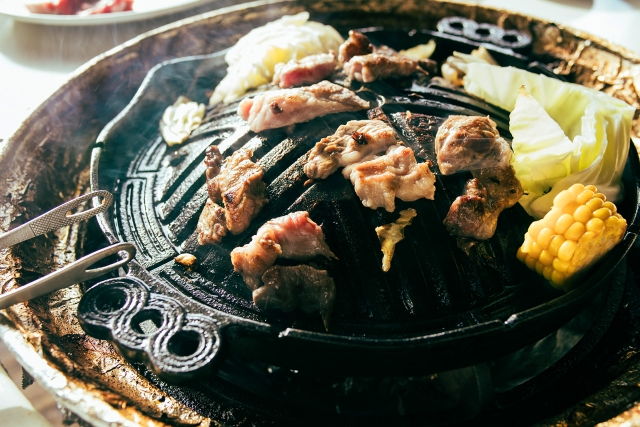
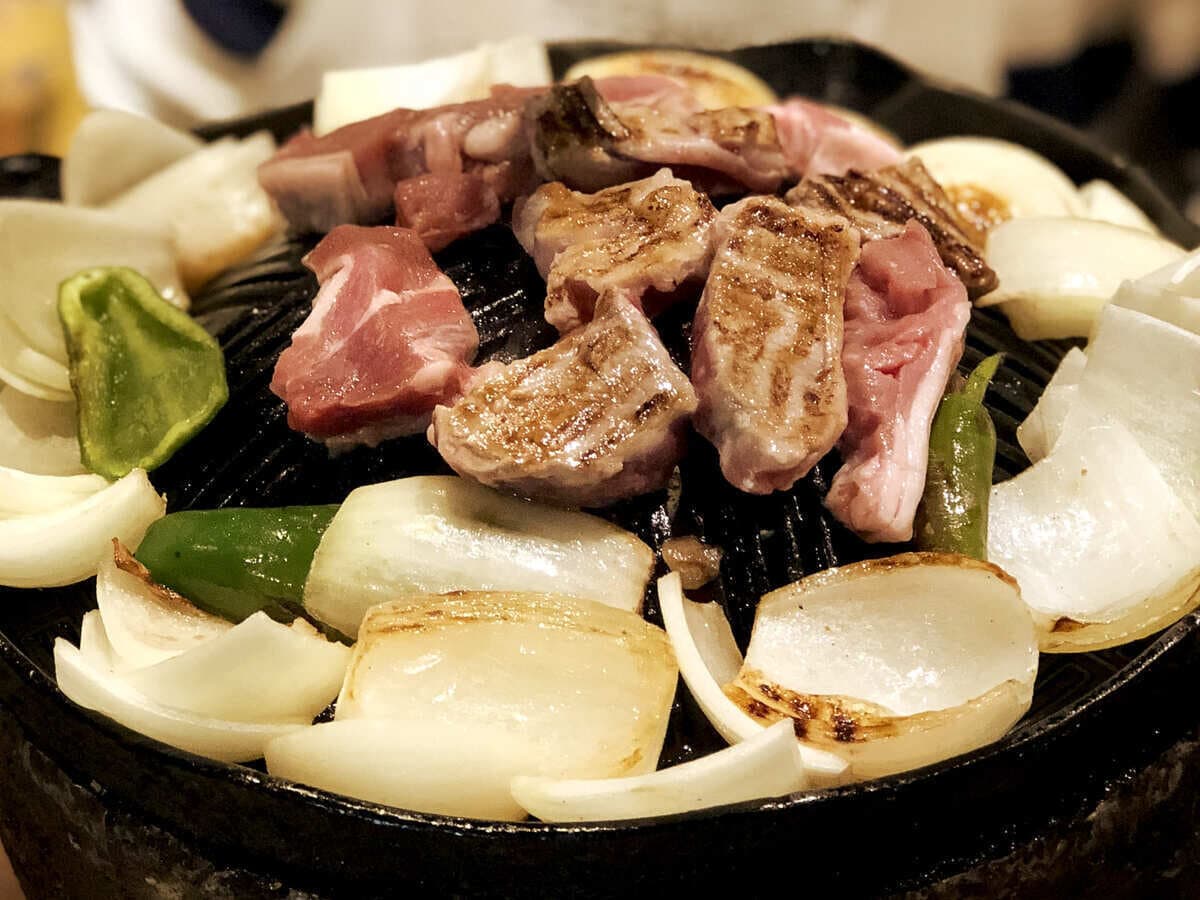
This dish consists of grilled mutton, prepared using a special Jingisukan grill.
The meat, primarily lamb or mutton, boasts a distinct flavor.
The accompanying sauce is often soy sauce-based or miso-based, with the meat sometimes marinated prior to grilling.
Vegetables like cabbage, bean sprouts, bell peppers, and onions are typically grilled alongside the meat.
For more information, refer to our dedicated article.https://japan-food.guide/en/articles/genghis-khan
Sapporo Miso Ramen
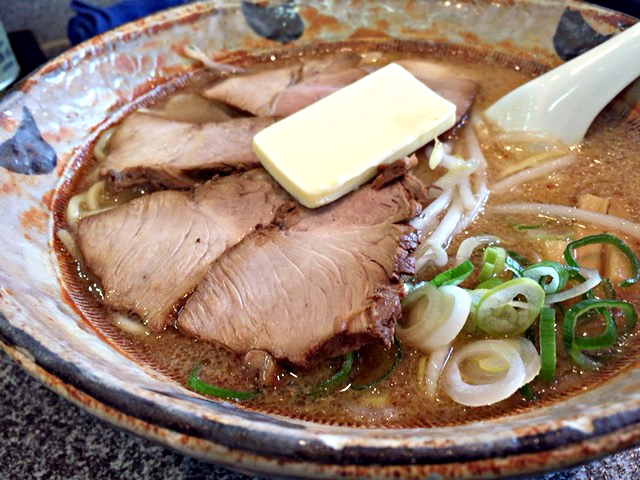
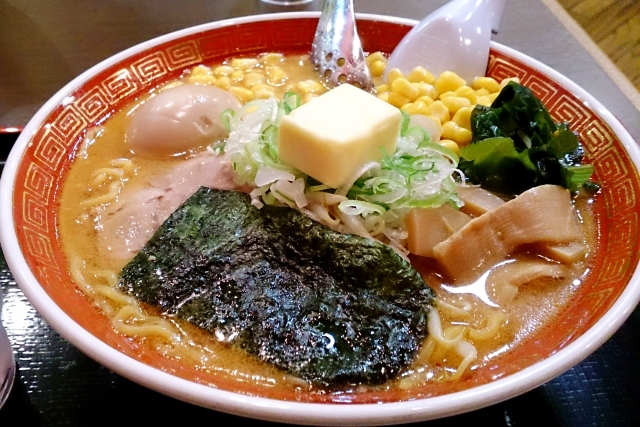
Originating from Sapporo City in Hokkaido, this ramen variety is famous for its rich and savory miso-based broth.
This broth is made by simmering pork bones, chicken, and vegetables, followed by the addition of miso to create a flavorful soup.
The noodles are often slightly thick and curly, ideal for soaking up the broth.
Common toppings include chashu (braised pork), bamboo shoots, green onions, bean sprouts, and occasionally butter or corn.
Soup Curry
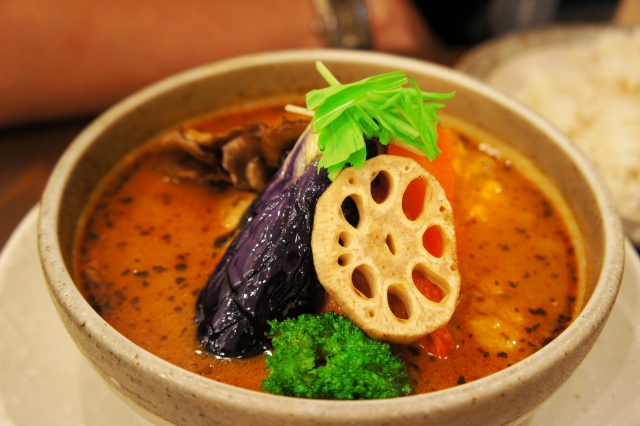
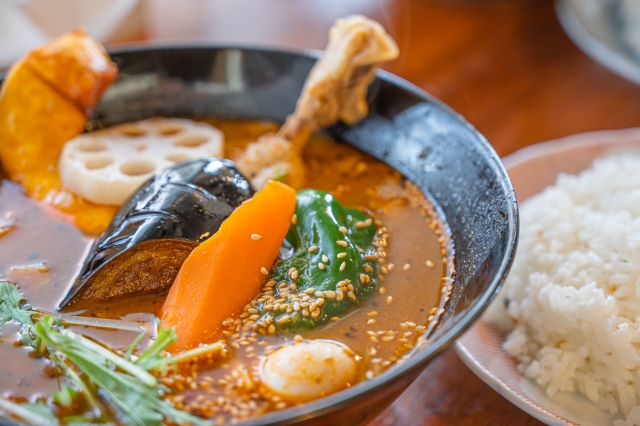
Soup Curry is a curry variation that originated in Sapporo.
Unlike traditional curry, Soup Curry features a light, soup-like consistency with an assortment of ingredients.
Typical ingredients include chicken, pork, beef, seafood, and seasonal vegetables such as potatoes, carrots, bell peppers, eggplants, and broccoli.
The aromatic, spice-infused broth combined with the diverse range of ingredients makes Soup Curry a delightful and comforting dish.
Seafood Donburi (Kaisendon)
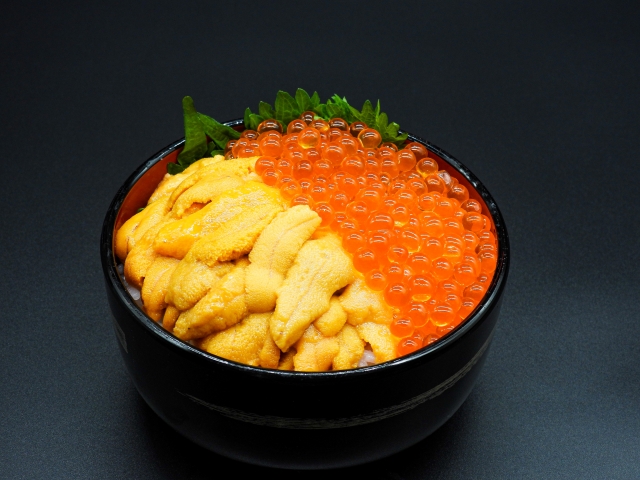
Hokkaido's seafood is celebrated for its variety and freshness.
Seafood commonly associated with the region includes salmon roe, sea urchin, crab, scallops, and salmon.
Kaisendon is a dish where fresh seafood is served atop a bowl of white rice, often paired with soy sauce and wasabi.
Uni (sea urchin) and ikura (salmon roe) donburi are particularly popular for their vibrant appearance and exquisite taste.
Zangi
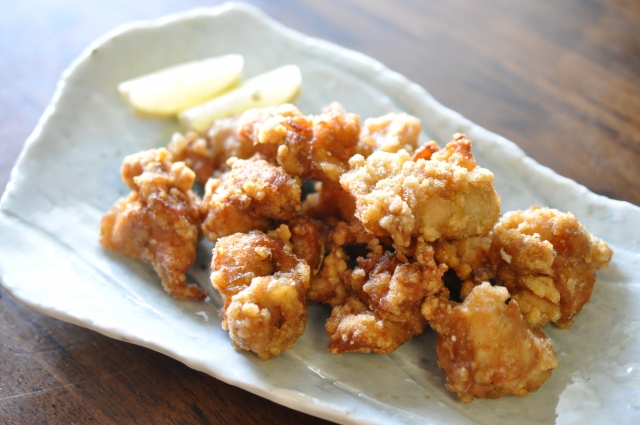
Zangi is a well-liked dish from Hokkaido, akin to karaage (Japanese fried chicken).
The chicken is marinated in a blend of soy sauce, sake, garlic, and ginger, then coated in potato starch and deep-fried.
While it bears similarities to traditional karaage, Zangi features its own unique regional twist in seasoning and preparation.
The result is a crispy exterior, juicy interior, and rich flavor.
These are just a few examples of the many delightful dishes you can savor in Hokkaido.
Each dish offers insight into the region's rich culinary heritage and natural abundance.
Types of Hokkaido Ingredients
Hokkaido is home to many esteemed local ingredients.
In this article, we'll introduce some of the finest ingredients from Hokkaido.
Potatoes
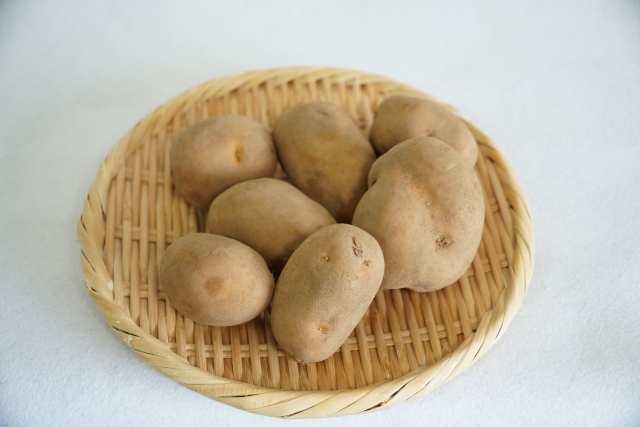
Hokkaido is Japan's leading potato producer.
Various types include Danshaku, May Queen, and Kita Akari.
The cool climate and significant temperature variations between day and night create ideal conditions for potato cultivation.
A variety of potato-based products are produced here, including potato chips, french fries, and croquettes, all of which are immensely popular.
Potatoes also feature prominently in local home cooking, with classic dishes such as
Corn
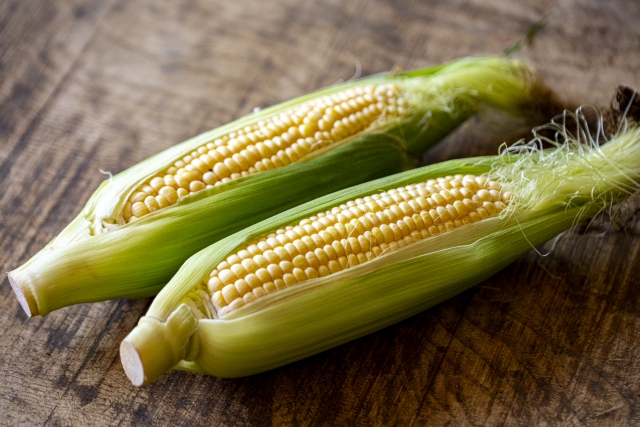
Hokkaido-grown corn is known for its sweetness and juiciness, especially those harvested in the summer.
The main variety is sweet corn, with Golden Rush and Pure White being notable examples.
The cool climate and daily temperature differences enhance the corn's sweetness.
Popular preparations include grilled corn, boiled corn, and buttered corn.
Dairy Products
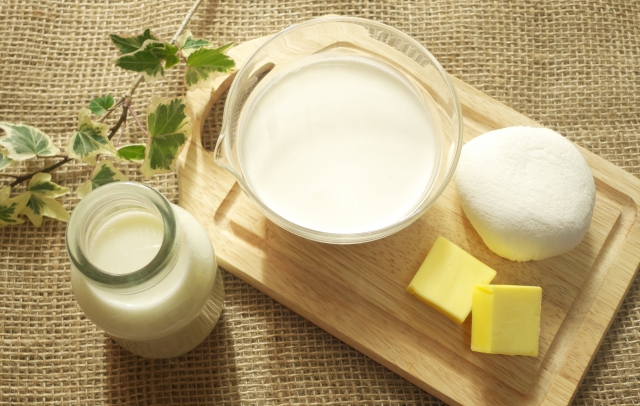
Hokkaido's vast pastures support a thriving dairy industry producing a wide range of dairy products such as milk, cheese, butter, and yogurt.
The milk here is fresh and rich.
Cheeses such as Camembert, Mozzarella, and Gouda are made in various parts of Hokkaido, with Tokachi cheese being particularly well-known for its high quality.
The butter is rich and creamy, and the yogurt is thick and smooth.
Premium varieties made from raw milk are especially popular.
Ice cream churned from Hokkaido milk is known for its rich, creamy taste.
Melon
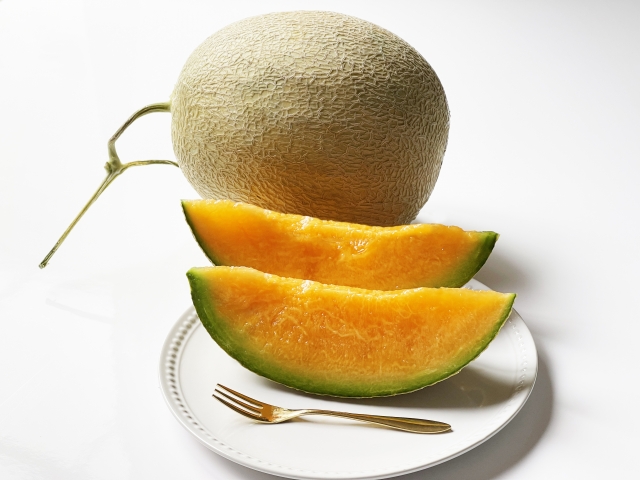
Yubari Melon is an especially famous fruit of Hokkaido and known for its orange pulp, sweetness, and fragrant aroma.
Green melons are also grown.
The superior climate and soil conditions of Hokkaido allow for the cultivation of high-quality melons.
The significant temperature differences between day and night help produce a distinct sweetness.
Melon-based sweets and desserts are popular in tourist areas.
Seafood
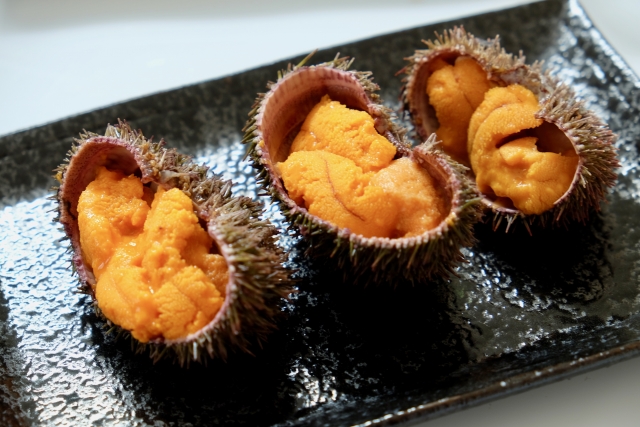
Hokkaido's seas are rich fishing grounds, nurturing fresh seafood such as salmon roe, sea urchin, crab, scallops, salmon, and squid.
Fresh seafood such as salmon roe, sea urchin, crab, and salmon is often enjoyed in dishes like kaisendon (seafood bowl) and sushi.
Local dishes such as Ishikari Nabe, a salmon hotpot, are also commonly served.
Another specialty is Ikameshi, in which squid is stuffed with rice and cooked.
Tuna
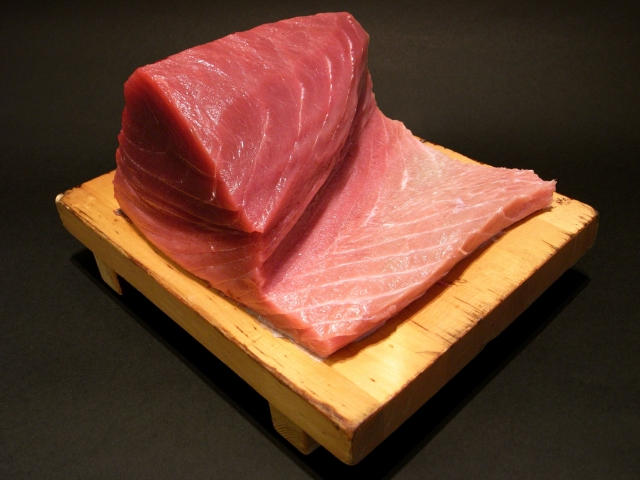
Tuna from Toi Port in southern Hokkaido is well-known in Japan.
The tuna from this area grows in rich fishing grounds where cold and warm currents meet, resulting in a fatty and delicious fish.
In Hokkaido, tuna is commonly eaten as sashimi, sushi, and in seafood bowls.
These are just a few examples of the wonderful ingredients Hokkaido has to offer.
Each ingredient reflects the region's natural bounty and rich culinary traditions.