What is Horse Meat Cuisine?
Horse meat cuisine is popular in various nations, including Japan.
Certain regions in Japan, particularly Kumamoto and Kagawa, are renowned for their horse meat consumption.
This meat is known for being low in fat, high in protein, and low in calories.
Additionally, it is rich in iron and boasts a tender texture with a subtle sweetness.
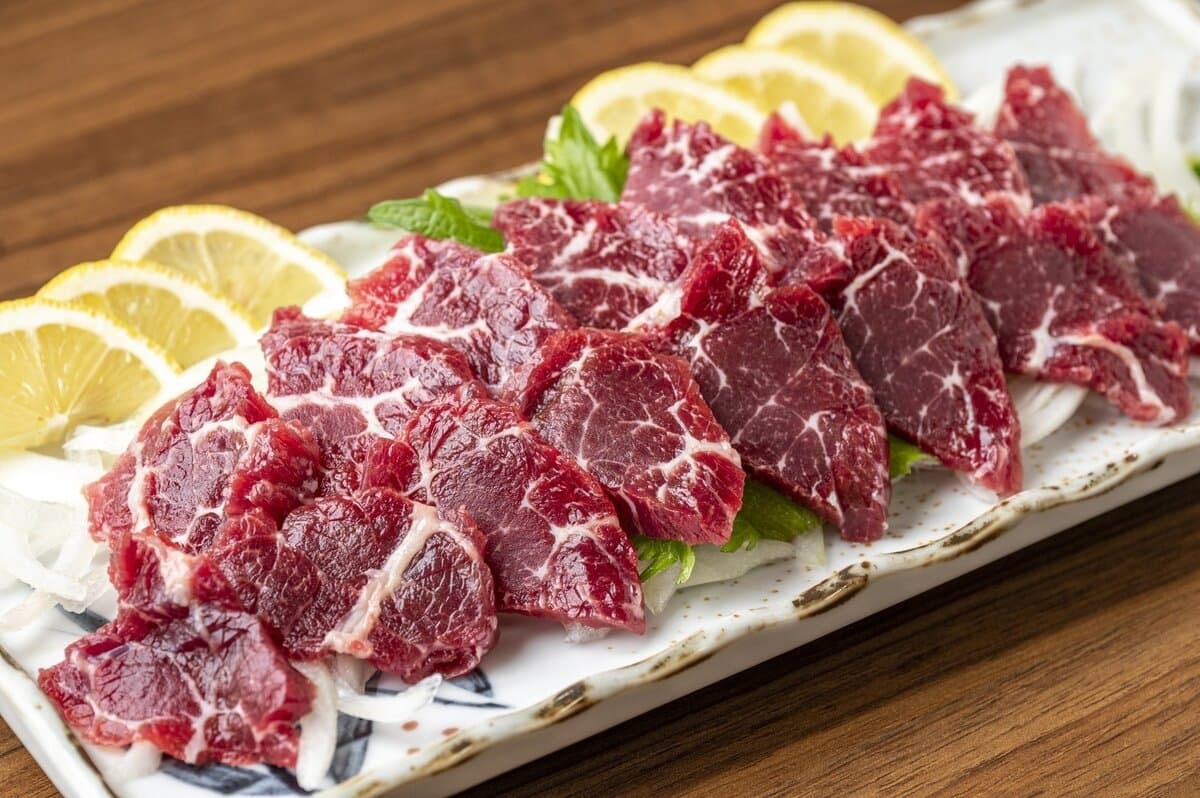
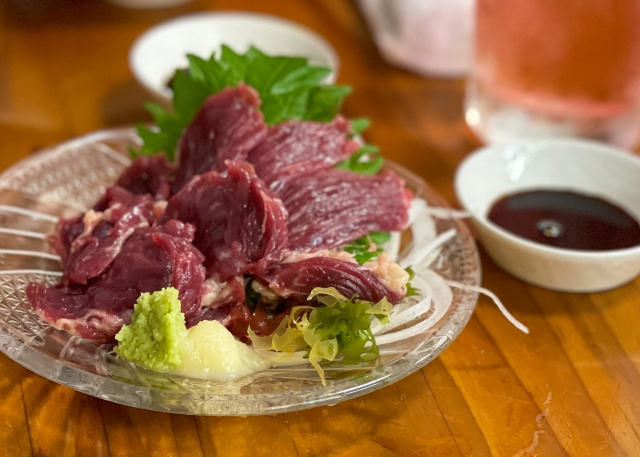
There are numerous methods to prepare horse meat, but “basashi,” which features raw horse meat, is especially favored in Japan.
Basashi consists of thinly sliced horse meat typically accompanied by a garlic and ginger sauce.
The horse meat available in Japan is safe for consumption as it adheres to all stringent standards.
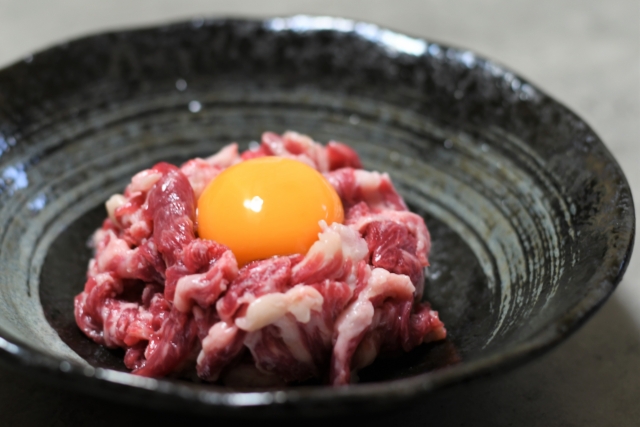
Horse meat can also be enjoyed in various other dishes, including stews, yakiniku (Korean-style BBQ), and sukiyaki (beef hot pot).
Its distinct flavor differentiates it from other meats.
Japan has a long history of horse meat cuisine, with records indicating its existence during the Nara period (710–794).
However, widespread availability was limited due to a long-standing prohibition on meat consumption.
During the Meiji period (1868–1912), following the lifting of the meat consumption ban influenced by Western culinary traditions, horse meat gained popularity.
Recently, the appeal of low-fat, high-protein horse meat has surged as consumers become increasingly health-conscious.
Safety and Quality Control of Horse Meat Cuisine — Standards for Enjoying It with Confidence
Why Raw Consumption Is Possible
The fact that horse meat sashimi (raw horse meat) can be enjoyed safely in Japan is attributed to the country's stringent hygiene and quality management standards. Horse meat has a significantly lower risk of parasites and bacteria compared to meats like beef or pork, yet it must still comply with legal regulations for raw consumption.
In 2011, Japan’s Ministry of Health, Labour and Welfare implemented official “Hygiene Standards for Raw Horse Meat,” which include the following safety protocols:
- Maintaining a constant temperature of 4°C or below from slaughter to delivery.
- Processing and packaging exclusively at facilities certified for raw consumption.
- Thoroughly trimming and removing the outer layer to ensure internal hygiene.
- Keeping comprehensive records of processing and distribution to guarantee traceability.
By following these rigorous standards, horse meat sashimi has gained recognition as one of the safest raw meat options in Japan’s culinary landscape.
Handling Practices at Specialized Restaurants
Restaurants that offer horse meat for raw consumption take great care in every aspect — from sourcing to serving. They procure horse meat not from regular butchers, but from licensed suppliers and certified facilities specializing in raw-grade meat.
Before preparation, the meat is stored in temperature-controlled environments and is cut just prior to serving. Utensils and cutting boards used for horse meat are kept separate from those for other ingredients, ensuring hygiene at all stages.
When served, the meat is sliced at the ideal temperature and thickness according to each cut — lean meat, marbled meat, or fatty mane section. This meticulous preparation enables diners to fully appreciate the melt-in-your-mouth texture and the natural sweetness of the meat.
The Craftsmanship and Trust That Support Safety
Japan’s horse meat culture is sustained not only by laws and hygiene standards but also by the skill and collaboration of all involved. Producers who raise the horses, processors who maintain strict sanitation, and chefs who expertly handle horse meat work in unison to uphold the balance between “safety and flavor.”
Many specialized restaurants transparently indicate the origin of the horse meat and the processing facility on their menus, promoting trust. For international visitors, knowing precisely where and how the meat was handled is a crucial reason why horse meat cuisine continues to intrigue travelers to Japan.
Varieties of Horse Meat Cuisine
In Japan, there is a wide array of dishes that feature horse meat.
This section will explore some of the most favored horse meat dishes in Japan.
Basashi (Raw Horse Meat)
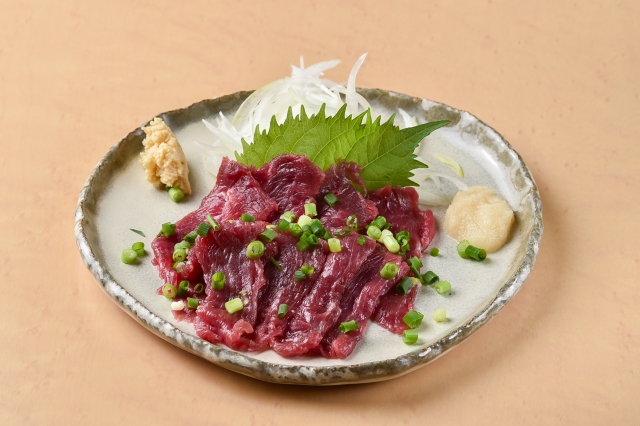
Fresh raw horse meat is thinly sliced and accompanied by a soy sauce-based dip garnished with garlic and ginger.
The lean cuts of the horse are primarily used in basashi, although rare cuts such as fillet and mane are also highly sought after.
Basashi provides unique flavors characterized by a light yet sweet and delicious taste.
Sakura-Nabe (Horse Meat Hot Pot)
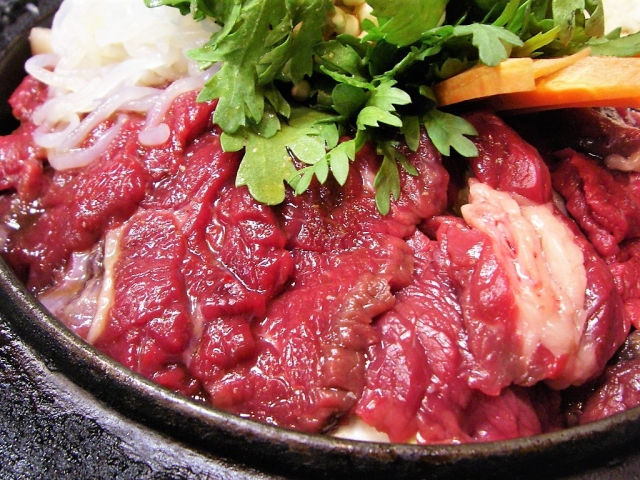
This dish is a hot pot prepared with horse meat.
The meat is simmered alongside vegetables and tofu, seasoned with a sweet and spicy sauce.
The sauce is soy sauce-based, enhanced with sugar and mirin (sweet rice wine) to perfectly complement the meat.
Ingredients are usually presented before eating and enjoyed with a special dipping sauce.
Tataki (Seared Meat)
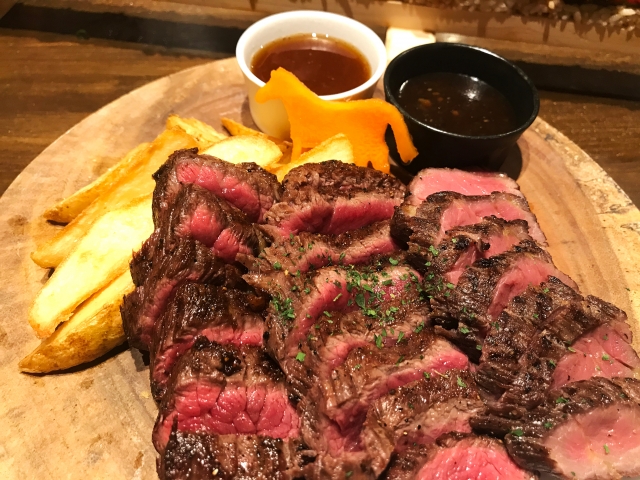
Horse meat tataki features lightly seared horse meat, enjoyed as close to raw as possible.
This dish captures the essence of the horse's flavor, and the tenderness combined with the savory aroma of the seared meat is exceptional.
It's frequently served with condiments such as lemon juice, specially-made ponzu (citrus soy sauce), grated garlic, and wasabi.
Other
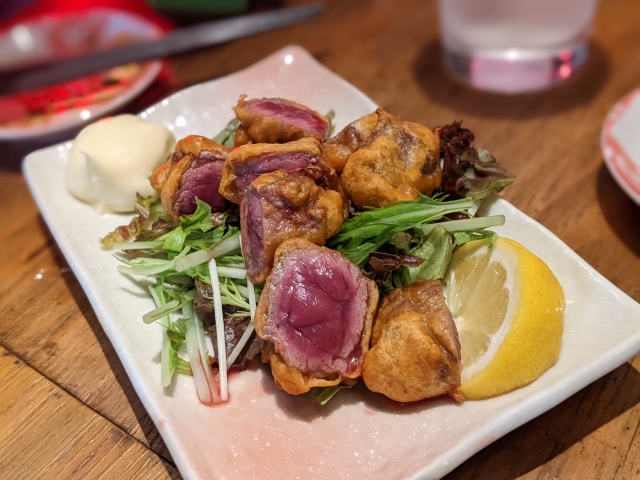
Other traditional Japanese horse meat dishes include kushiyaki, grilled skewers resembling yakitori chicken skewers, shabu-shabu (hot pot with thinly sliced meat), karaage (deep-fried meat), and yakiniku (Korean-style BBQ).
Each offers unique aromas and flavors that are distinct from other meats.
Varieties of Horse Meat
Horse meat presents various flavors and textures based on the cut.
This section will introduce some of the most common varieties of horse meat available in Japan.
Akami (Lean Meat)
This cut is the most frequently served and is known for its rich flavor and sweetness.
Lean meat is low in fat, exceptionally tender, and versatile for numerous dishes.
Loin
The loin is a juicy and flavorful cut that has relatively low fat content.
It is commonly utilized for yakiniku (Korean-style BBQ), steak, and shabu-shabu (hot pot with thinly sliced meat).
Belly Meat
This cut is high in fat, making it suitable for braising and grilling.
Due to its fat content, the meat is tender and rich in flavor.
Tender Loin
The tender loin is one of the most tender and sought-after cuts of horse meat.
It can be enjoyed as steak or in shabu-shabu to appreciate its superior flavor.
Tategami (Mane)
This rare cut comes from the horse's mane.
The mane is abundant in collagen and has a distinctive texture and flavor.
How to Eat
In this entry, we will introduce how to eat basashi (raw horse meat), the most popular horse meat dish in Japan.
Put the sauce in a small dish
Put the soy sauce-based sauce in a small dish.
Garnish with garlic and ginger
Place sliced or grated garlic and ginger on top of the horse meat.
Many people prefer to place garlic and ginger in a 1:1 ratio, but garnish to your own preference.
Dip in the sauce and enjoy
Take a slice topped with garlic and ginger with chopsticks or a fork and dip it into the sauce on a small plate.
People’s reaction when eating
Search Restaurants by Popular Cuisines